Best Shotshell Loads for Dove Hunting: Choosing the Right Ammo for Fast Birds and Early Season Success


- Why Dove Loads Matter
- The Most Popular Dove Shot Sizes
- Velocity and Recoil Considerations
- Payload Weight and Pattern Density
- Uniform Shot Columns vs. Duplex or “Stacked” Loads
- Choke Selection Still Matters
- Pattern Your Dove Loads Before Season
- Confidence Matters More Than Complexity
- Keep It Simple and Shoot What Works
Few hunting traditions signal the arrival of the fall quite like dove season. On warm September afternoons, spinning-wing decoys, sunflower fields, and birds darting across the sky have introduced generations of hunters to wing shooting. But while dove hunting may seem simple on the surface. Consistently hitting doves is another story entirely.
Doves are fast, erratic, lightly built birds that challenge even experienced shotgunners. Choosing the right shotshell load can make a noticeable difference in both confidence and success in the field.
The good news is that dove ammunition doesn’t have to be overly complicated. Understanding how shot size, velocity, recoil, and pattern performance work together can help hunters select a load that matches their shooting style and hunting conditions.
And interestingly, hunters are also paying attention to something else: payload construction – specifically the growing trend of duplex or stacked loads.
Why Dove Loads Matter
Doves don’t require massive pellets or heavy magnum payloads to cleanly harvest. What matters most is pattern density, consistency, and maintaining enough energy at realistic shooting distances.
The ideal dove load creates forgiving patterns on fast-moving birds while still delivering clean, reliable performance when shots stretch farther across the field.
That balance is what makes ammunition selection so important.
The Most Popular Dove Shot Sizes
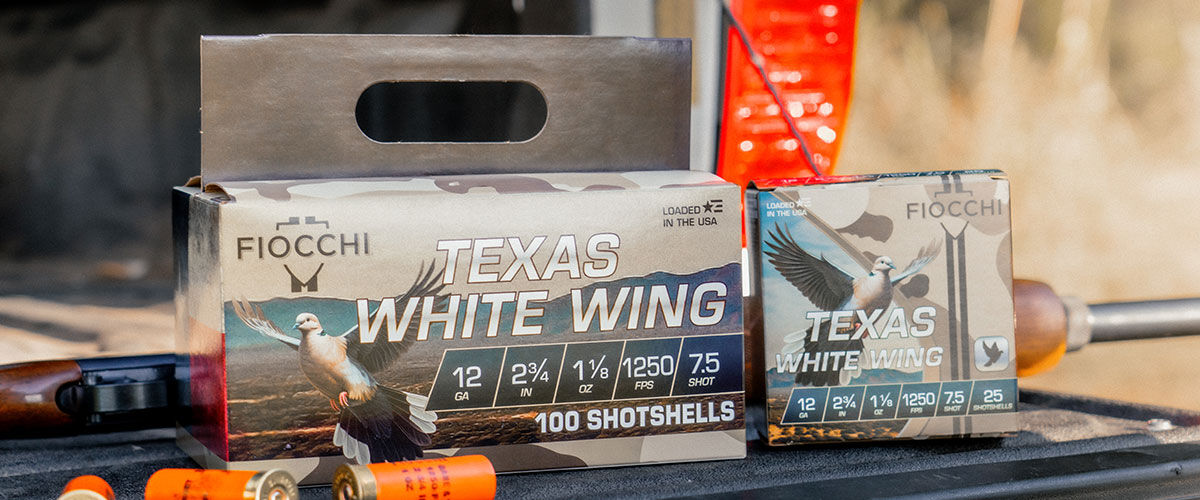
For decades, #7.5 and #8 shot have remained the standard for dove hunting.
Both offer excellent pellet counts and effective terminal performance, but each brings slightly different advantages depending on the type of shooting expected.
#8 Shot
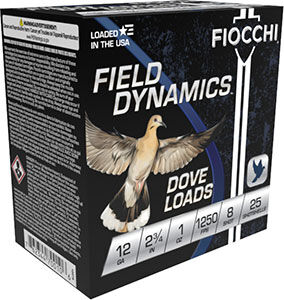
#8 shot contains more pellets per shell, creating dense and forgiving patterns that perform especially well on:
- Close-range birds
- Decoying doves
- Small fields
- High-volume shooting situations
Many hunters appreciate the wider pattern coverage that #8 shot provides on quick crossing targets.
#7.5 Shot
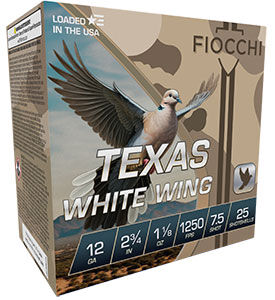
#7.5 shot uses slightly larger pellets that retain energy better downrange. It’s often favored for:
- Longer crossing shots
- Windy conditions
- Pass shooting
- Late-season birds
Hunters who regularly shoot more open fields or expect longer-range opportunities often gravitate toward #7.5 loads for the added retained energy.
In reality, both shot sizes are extremely effective, and personal preference usually plays a major role.
Velocity and Recoil Considerations
Velocity is another major factor in dove load performance.
Faster loads can help reduce lead requirements slightly and maintain stronger energy on distant birds. However, increased velocity also produces additional recoil.
During high-volume dove hunts where shooters may fire multiple boxes of ammunition in an afternoon, excessive recoil can lead to fatigue, flinching, and inconsistent shooting mechanics.
That’s why many experienced dove hunters favor balanced field loads that provide smooth recoil while still delivering excellent target-breaking performance.
Loads in the 1,200-1,300 fps range are often considered ideal because they balance:
- Manageable recoil
- Effective velocity
- Smooth shooting characteristics
- Consistent patterns
Payload Weight and Pattern Density
Most dove loads fall within the 1-ounce to 1 1/8-ounce range. Lighter payloads typically produce softer recoil and quicker handling characteristics, while heavier payloads increase pellet count and pattern density.
Some hunters prefer lighter target-style loads that allow them to stay comfortable during long afternoons in the field. Others favor slightly heavier payloads for additional confidence on longer shots or windy days.
There’s no universal answer – only the load that best matches the hunter and the conditions.
Uniform Shot Columns vs. Duplex or “Stacked” Loads
Traditionally, most shotgun loads have used what is known as a unified shot column, meaning the entire payload consists of a single pellet size. A shell loaded entirely with #7.5 shot or entirely with #8 shot would be considered a unified load. For decades, this approach dominated the shotshell market because it offered predictable patterns and consistent ballistic performance.
However, in recent years there has been growing interest in duplex or stacked loads – especially among those looking for something new or increased performance advantages. These loads combine two different shot sizes within the same shell payload. These loads are not two different shot sizes blended together, but one shot size stacked on top of another.
The concept itself isn’t entirely new. Duplex loads have been around for years, particularly in the turkey and waterfowl hunting pursuits, but modern advancements in wad technology and premium shot materials have helped bring them back into the spotlight.
The theory behind duplex loads is relatively straightforward; smaller pellets help increase overall pattern density, while larger pellets retain more downrange energy.
In some applications, manufacturers intentionally layer larger pellets above smaller ones to influence the shot column's aerodynamic behavior after leaving the barrel.
That said, duplex loads also remain somewhat debated among experienced shotgun shooters. Some hunters believe they offer meaningful advantages in pattern performance and versatility, while others see them as more situational or even marketing driven depending on application.
For dove hunting specifically, unified shot columns still dominate because doves are relatively small birds hunted at moderate distances where consistency and pattern uniformity matter most. But the growing popularity of duplex loads across the broader shotshell market highlights how modern hunters continue to search for ways to fine-tune shotgun performance.
Choke Selection Still Matters
Even the best dove load performs differently depending on choke selection.
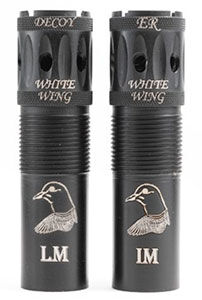
Early-season birds working close over decoys often favor more open constrictions like:
- Skeet
- Improved Cylinder
These chokes create wider and more forgiving patterns at shorter distances.
As birds become pressured and shot stretch farther later in the season, many hunters move towards:
- Light modified
- Modified
This way they maintain better pattern density downrange.
The key is matching choke selection to the type of shooting expected in the field.
Pattern Your Dove Loads Before Season
Many hunters reserve pattern testing for turkey season, but dove hunters can benefit from it just as much.
Patterning reveals:
- Pellet density
- Effective range
- Choke compatibility
- Point of impact
- Overall consistency
Even small changes in shot size, velocity, or choke selection can noticeably alter how a load performs.
Testing your setup before opening day helps remove guesswork when birds are flying fast, and opportunities happen quickly.
Confidence Matters More Than Complexity
One of the most important things a hunter can have during dove season is confidence in their setup. Reliable ammunition, manageable recoil, and consistent patterns help shooters stay focused on target acquisition, lead, and follow-through rather than questioning their equipment.
Whether that comes from a traditional unified load or experimenting with newer stacked payload concepts, confidence behind the shotgun almost always translates into better shooting.
Keep It Simple and Shoot What Works
Dove hunting may look easy from a lawn chair beside a sunflower field, but consistently hitting fast-moving birds requires preparation, rhythm, and trust in your equipment.
Traditional unified shot loads continue to dominate dove fields because of their proven consistency and balanced performance. At the same time, the rise of duplex or stacked loads shows how modern hunters are constantly exploring new ways to maximize pattern density and effectiveness across different hunting applications.
At the end of the day, the best dove load is the one that patterns well in your shotgun, matches your hunting style, and gives you confidence when birds start cutting across the field.
Because when the action heats up and doves are flying from every direction, smooth shooting and trust in your setup matter far more than chasing trends.
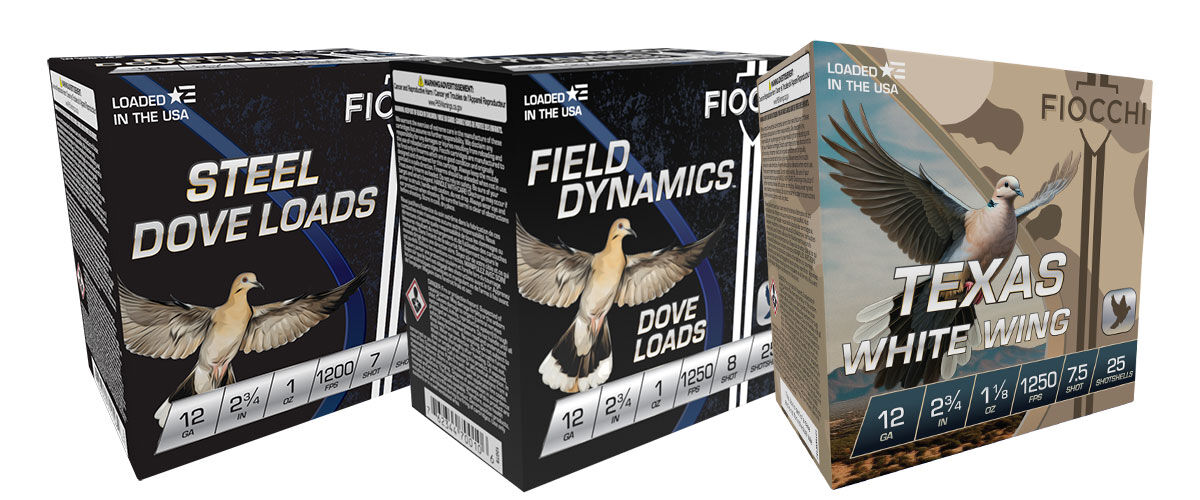
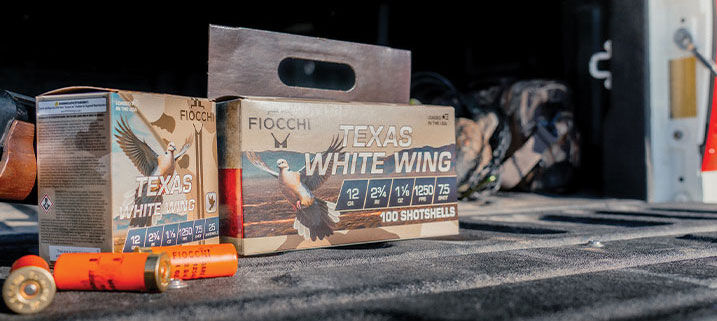
Texas White Wing
Dove & Quail Steel
Field Dynamics Dove Loads