Best Shotshell Loads for Pheasant Hunting: Matching Your Ammunition to the Bird, the Cover, and the Conditions


Few upland birds have earned the reputation of the ring-necked pheasant. They are beautiful, challenging, and remarkably tough for their size. Anyone who has hunted pheasants for long knows that cleanly harvesting roosters requires more than simply putting pellets in the air. Pheasants can absorb surprising punishment, especially late in the season when heavy feathers, colder temperatures, and longer flushing distances become part of the equation.
Because of that, ammunition selection matters. The right pheasant load can help produce cleaner kills, fewer lost birds, and greater confidence when a rooster erupts from cover at your feet.
Why Pheasants Are Different
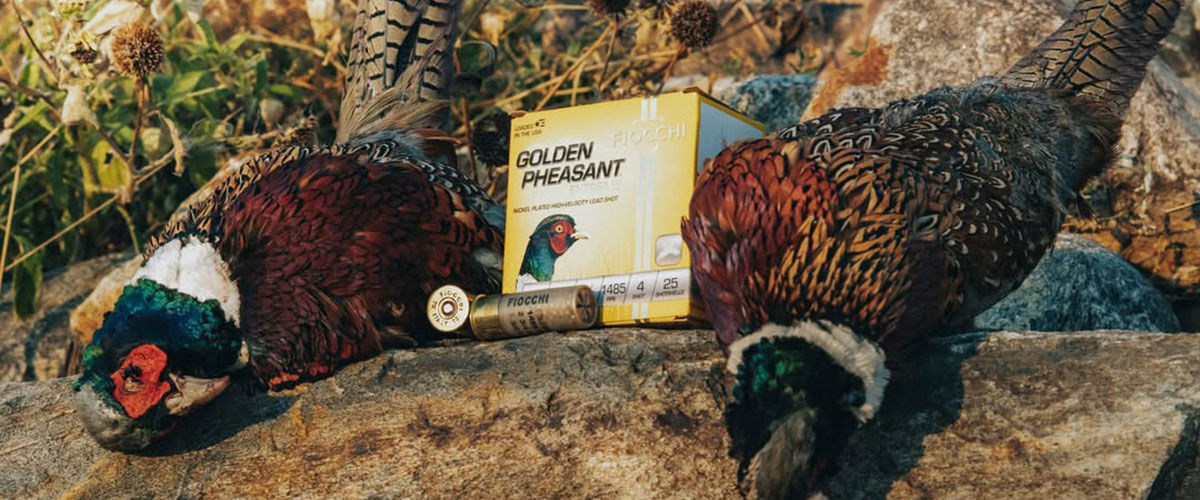
Unlike doves and quail, pheasants are larger birds with heavier feather structures and stronger muscle mass. They often flush hard, gain distance quickly, and are frequently encountered in thick cover where recovering a wounded bird can be difficult.
A successful pheasant load must balance two priorities. First, it must deliver enough pellet energy to penetrate feathers and reach vital organs. Second, it must maintain enough pattern density to consistently place multiple pellet strikes on a fast-moving target. Finding the right balance is key.
Understanding Pheasant Shot Sizes
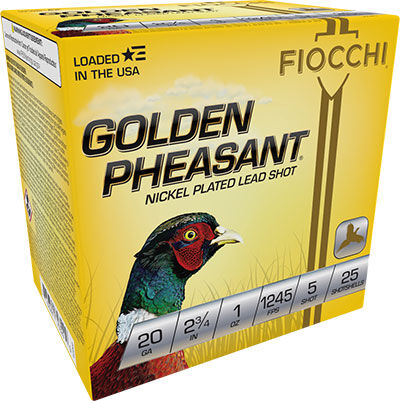
For most pheasant hunting situations, #5 and #6 shot remain the most popular choices. #6 shot has long been considered the classic pheasant load. It provides excellent pattern density while maintaining sufficient energy for most early and mid-season birds. Many hunters appreciate its versatility, especially when hunting over pointing dogs where shots often occur at moderate distances.
#5 shot offers additional pellet energy and retained momentum downrange. As birds become more pressured and flush farther away later in the season, many hunters move toward #5 shot for improved penetration and effectiveness. Some hunters even carry different loads throughout the season, adapting to changing conditions and bird behavior.
Early Season vs. Late Season Birds
One of the biggest mistakes new pheasant hunters make is assuming the same load is ideal throughout the season. Early-season birds often hold tighter, especially when temperatures are warm, and hunting pressure is relatively light. Shots tend to be closer, so pattern density becomes increasingly important.
As the season progresses, pheasants become educated. They run farther, flush earlier, and often present longer crossing shots. This is where slightly larger shot sizes, heavier payloads, or premium shot materials can provide an advantage, matching the tougher late-season conditions.
Lead, Steel, and Bismuth for Pheasants
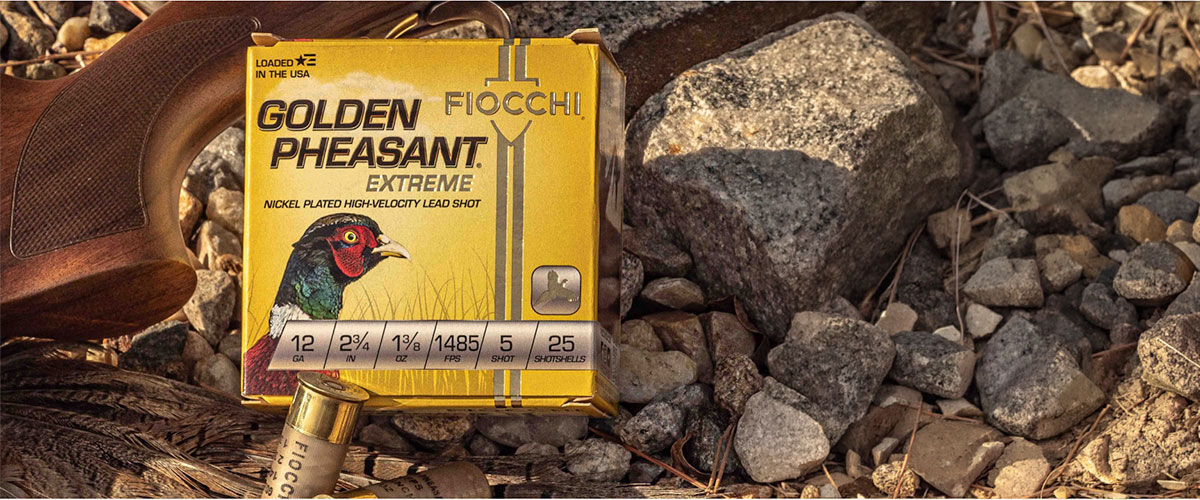
Traditional lead loads remain the benchmark for pheasant hunting wherever legal. Lead offers excellent energy retention, strong penetration, and forgiving patterns. For generations, hunters have relied on lead #5 and #6 loads to consistently harvest roosters under a wide variety of conditions. However, some hunting areas now require non-lead ammunition, creating additional choices.
Steel shot remains a practical option, but steel is lighter than lead, so hunters often increase shot size to maintain adequate energy. A steel #4, for example, may be selected where a lead #5 or #6 would normally be used.
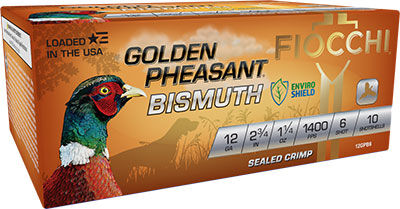
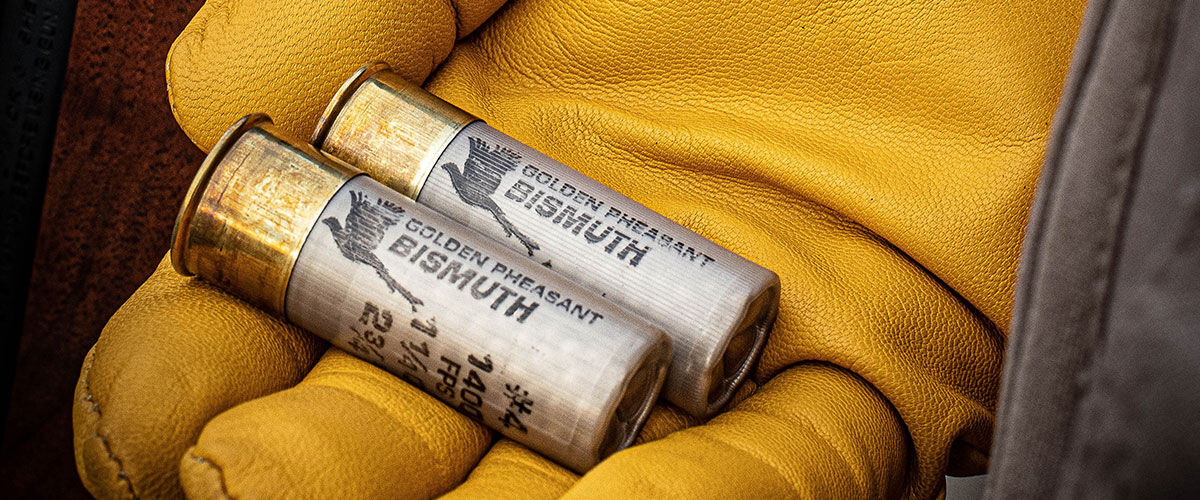
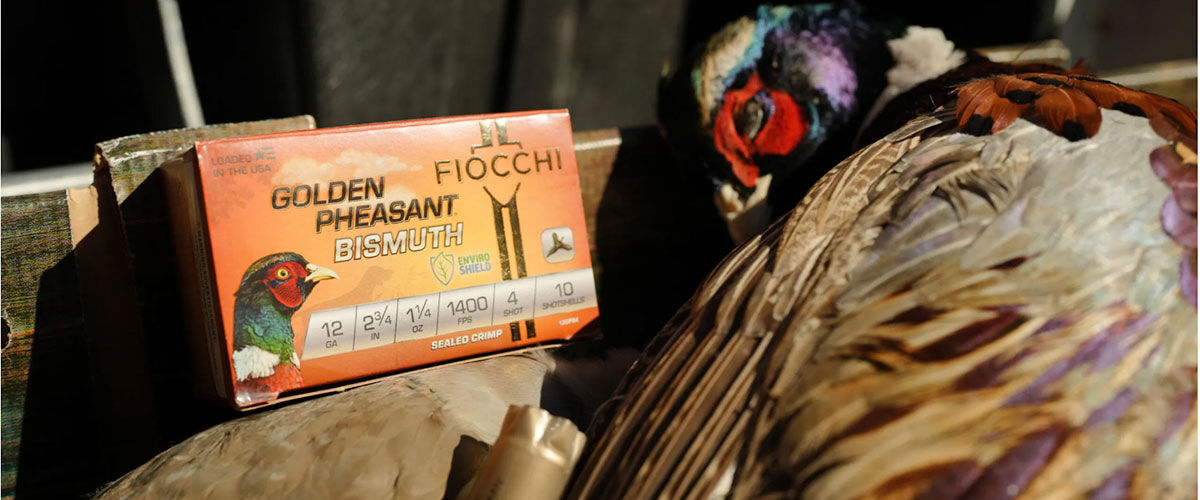
Bismuth has become increasingly popular among upland hunters because it behaves more like lead. It offers improved energy retention compared to steel and often allows hunters to use more traditional shot sizes while remaining compliant with non-lead regulations. For hunters carrying classic side-by-sides or older upland guns, bismuth can be particularly attractive because it is generally compatible with firearms that may not be suitable for steel shot. However, with increased industrial demand and subsequent increases in bismuth raw material prices, the availability of product to hunters will be limited and will come at a higher cost. You will just need to balance your preference for using bismuth versus your budget.
Hunt the Cover, Not the Map
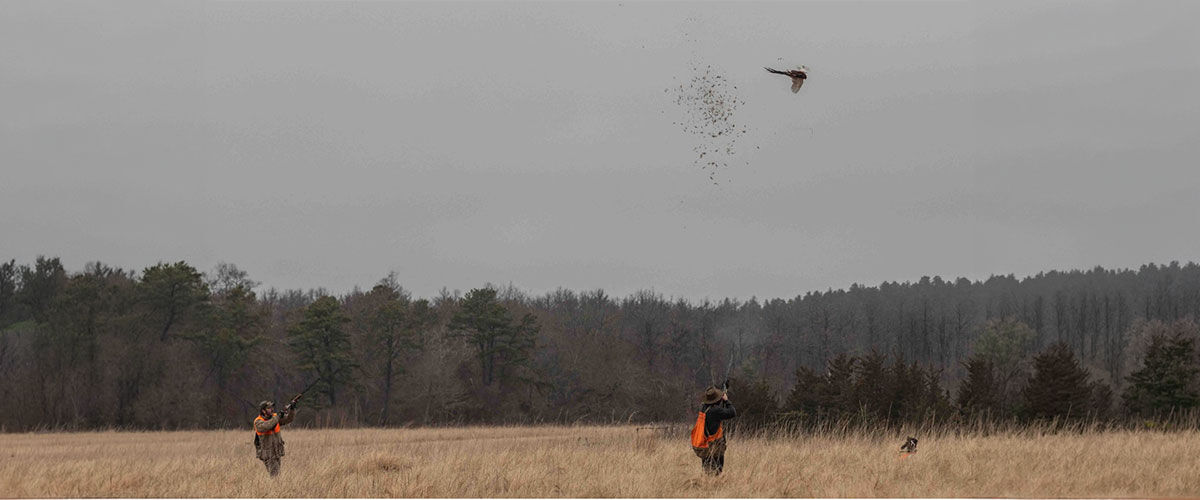
Experienced pheasant hunters often say that successful hunting begins long before the bird flushes. While maps, satellite imagery, and public access tools are valuable, pheasants ultimately live where food, cover, and security intersect. The best pheasant habitat often includes dense nesting cover, adjacent food sources, winter thermal cover, water availability, and reduced hunting pressure.
- Dense nesting cover
- Adjacent food sources
- Winter thermal cover
- Water availability
- Reduced hunting pressure
Field edges, shelterbelts, CRP grass, cattail sloughs, and brushy fence lines all deserve attention. Most importantly, hunters should learn to read the quality of cover rather than simply following a map. A small piece of excellent habitat often produces more birds than a large piece of average habitat. So, get out and do some pre-season scouting if you plan to hunt unfamiliar ground, and do your best to make your next season's hunt more successful.
Choke Selection for Pheasants
Improved Cylinder and Modified remain the most common pheasant hunting chokes. Improved Cylinder excels for early-season birds, offering forgiving patterns on sudden flushes. Modified provides additional pattern density for longer-range opportunities and is often favored later in the season when birds flush farther out. Many upland hunters find that carrying a versatile choke setup and matching it to expected conditions is more valuable than chasing extremely tight patterns. Your choke selection should also depend on preseason pattern testing.
Pattern Before Opening Day
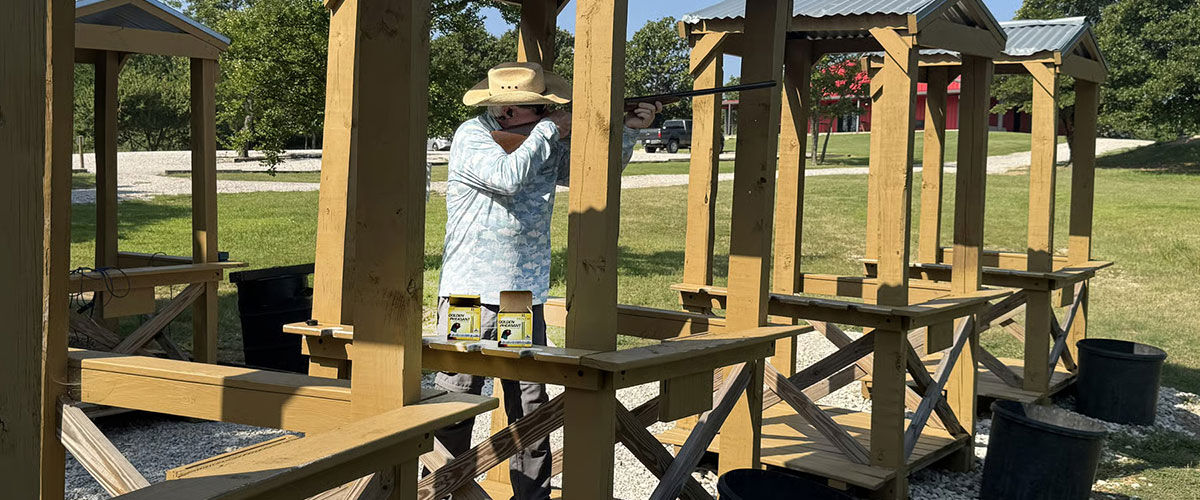
Pheasant hunters often spend months preparing equipment, scouting habitat, and conditioning dogs, yet many never test their ammunition on paper. Patterning reveals how a specific load performs in your shotgun and helps identify the most effective choke and ammunition combinations.
Small differences in shot material, velocity, or choke selection can create significant changes in pattern quality. Knowing exactly how your shotgun performs removes uncertainty when the first rooster of the season erupts from the grass.
| Choke | Load | Distance | Pellet Strikes |
|---|---|---|---|
| Improved Cylinder | Golden Pheasant No.6 | 30 yards | 129 |
| Modified | Golden Pheasant No.6 | 30 yards | 162 |
Dogs Make Everything Better
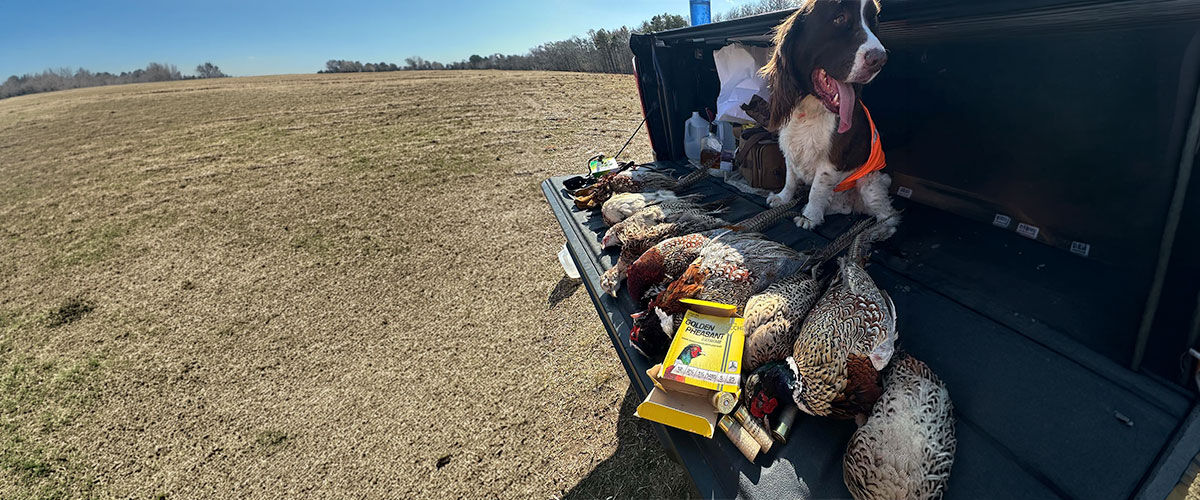
No discussion of pheasant hunting is complete without mentioning bird dogs. Whether hunting behind pointers, flushing dogs, or versatile breeds, a good dog dramatically increases opportunities while improving bird recovery. Even the best ammunition cannot compensate for birds that are never found. A reliable dog remains one of the most effective tools a pheasant hunter can have.
Beyond finding birds, successful pheasant hunters learn how to hunt with their dog rather than simply following behind it. One of the most common mistakes hunters make is moving too quickly through cover. Dogs work most effectively when they can methodically investigate likely holding areas without constantly trying to catch up to their hunting partners. Pheasants often use every advantage available to avoid flushing, preferring to run through cover rather than take flight. Allowing a dog time to work scent thoroughly often results in more productive encounters and better shot opportunities.
Wind direction can be another overlooked factor. Dogs generally perform best when they can work into or across the wind, allowing scent to carry naturally toward them. Whenever possible, hunters should consider approaching cover in a way that gives their dog the best opportunity to locate birds before the birds detect them.
Final Thoughts: Build a Load Around the Hunt
Pheasant hunting is one of the most rewarding forms of wingshooting because no two hunts are exactly alike. Weather changes. Cover changes. Bird behavior changes. The best pheasant load is the one that matches the conditions you expect to encounter while delivering consistent patterns and dependable downrange performance.
Whether you prefer traditional lead loads, modern non-lead options, or premium upland ammunition, understanding how shot size, material, choke selection, and habitat conditions work together can help you become a more effective pheasant hunter.
Because when a rooster explodes from cover, cackling into the wind with its tail streaming behind it, preparation matters, and few things contribute more to success than confidence in the load you’re carrying.
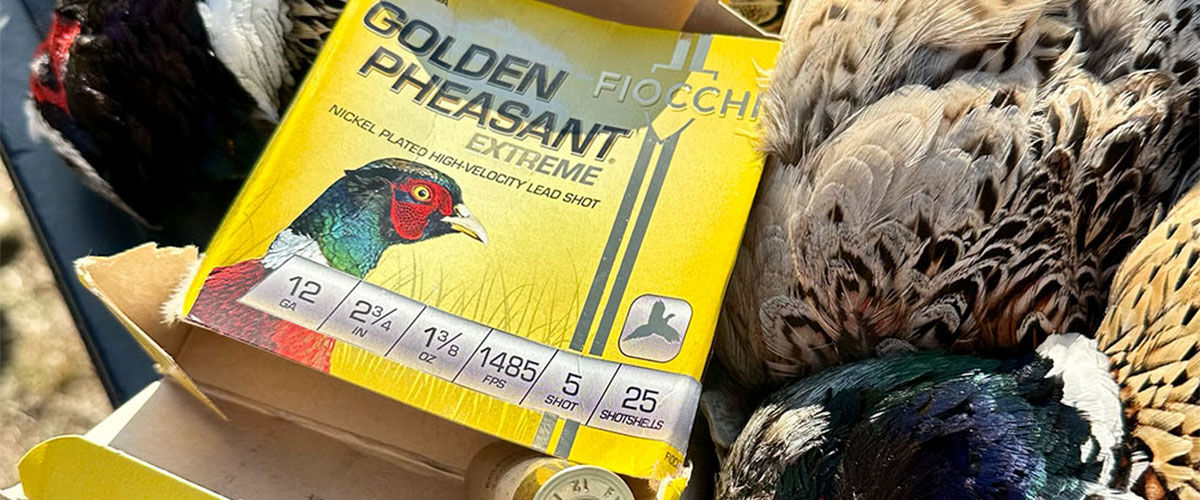
Golden Pheasant
Golden Pheasant Bismuth