How to Choose a Hunting Rifle Bullet: Understanding Bullet Construction, Weight and Terminal Performance


- Start With the Animal, Not the Ballistics Chart
- Why Bullet Construction Matters
- Polymer-Tipped Bullets: More Than a Pointy Nose
- Controlled Expansion and Premium Hunting Bullets
- Copper Bullets Change the Equation
- Bullet Weight: Heavier Isn't Automatically Better
- What Is Sectional Density?
- Ballistic Coefficient Matters—But Maybe Not as Much as You Think
- Impact Velocity Matters More Than Muzzle Velocity
- Accuracy Is Part of Terminal Performance
- Match the Bullet to the Hunt
- Confidence Begins Before the Hunt
Hunters spend a lot of time debating cartridges. Walk into deer camp with a .270, .308, or .30-06 Springfield, and it probably won't be long before someone starts explaining why their choice is better. Add cartridges like the 6.5 Creedmoor, 7mm-08, or .300 Win Magnum to the conversation, and you may have enough material to last until everyone turns in for the night.
But there's another part of the equation that deserves just as much attention.
The bullet.
Two cartridges carrying the same caliber and bullet weight can behave very differently when they reach an animal. Bullet construction, impact velocity, expansion, and penetration all influence terminal performance, and understanding those differences can help hunters choose ammunition better suited to the game and conditions they're likely to encounter. Choosing a hunting bullet doesn't have to be complicated. Start by asking a simple question:
What does this bullet need to do when it gets there?
Start With the Animal, Not the Ballistics Chart
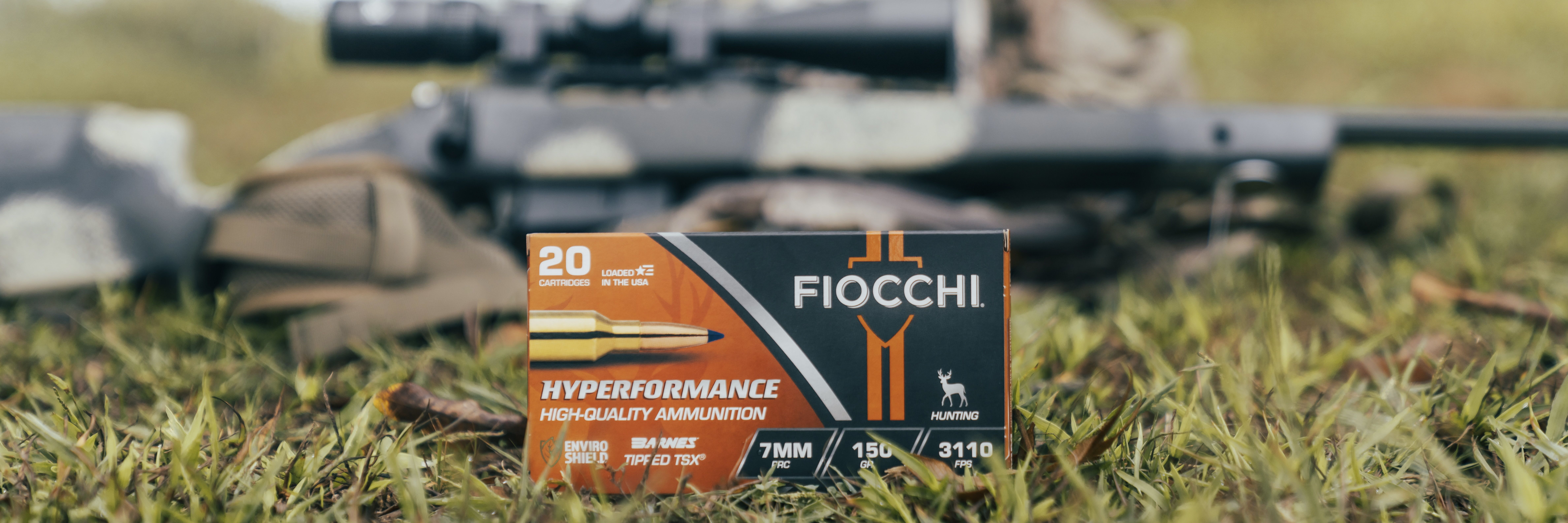
It can be tempting to begin ammunition selection by looking at velocity, energy, or ballistic coefficient. Those numbers matter, but they don't tell the whole story. A whitetail standing broadside at 80 yards in hardwood timber presents a very different challenge than a mule deer across a western draw or an elk quartering away at several hundred yards. The bullet needs to perform when it reaches the animal.
For deer-sized game, hunters generally want a bullet that expands reliably, creates significant tissue damage, and penetrates sufficiently to reach vital organs. As game becomes larger and heavier, penetration becomes increasingly important. Elk, moose, and other large animals place greater demands on bullet construction, particularly when shot angles require the bullet to pass through heavy muscle or bone.
That is why the "best" hunting bullet isn't necessarily the fastest, heaviest, or most expensive. It's the one designed for the job you're asking it to do.
Hunting tip: Think about the most likely shot on your hunt rather than the most extreme shot you can imagine. If most of your whitetails are taken inside 150 yards from a tree stand, optimize your ammunition for that reality. If you're headed west where shots can stretch across open country, trajectory and retained velocity deserve more consideration.
Why Bullet Construction Matters
At first glance, rifle bullets can look remarkably similar. Inside, they can be very different.
The traditional jacketed soft-point bullet has accounted for an enormous amount of game over the years. Its design is relatively straightforward: a lead core is surrounded by a copper-alloy jacket, with exposed lead at the nose initiating expansion after impact. When properly matched to the game and velocity, this design provides a useful balance of expansion, penetration, and affordability.
Fiocchi Field Dynamics centerfire rifle ammunition represents this traditional, practical approach to hunting ammunition. The line includes pointed soft-point offerings for big-game hunting, giving hunters a dependable option for common hunting cartridges and typical field conditions.
Conventional soft-point ammunition has remained relevant for generations for a reason. It works!
Polymer-Tipped Bullets: More Than a Pointy Nose
Polymer-tipped hunting bullets have become increasingly popular, and the visible tip isn't simply there to make the bullet look aerodynamic. The polymer tip can serve several purposes. Aerodynamically, the streamlined nose can improve the bullet's ballistic coefficient and help it retain velocity downrange. On impact, the tip can also help initiate expansion by driving back into the bullet.
That combination makes polymer-tipped bullets particularly attractive for hunters who may encounter a wider range of shooting distances.
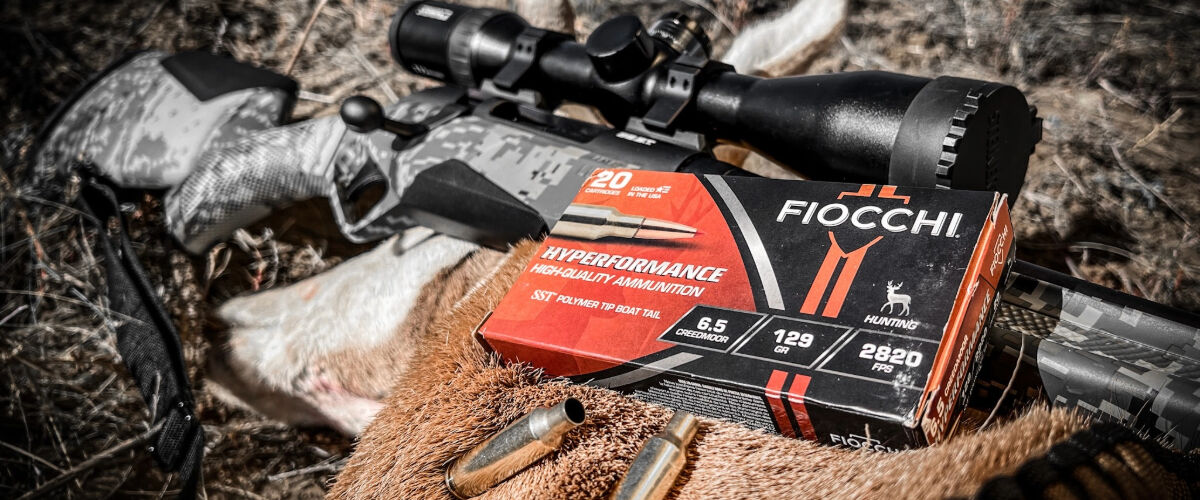
Fiocchi Hyperformance Hunt includes loads featuring SST bullets, which combine a polymer tip with a hunting-oriented bullet design intended to deliver both aerodynamic efficiency and controlled terminal performance. That versatility matters when a hunt might produce a 75-yard opportunity in timber one morning and a considerably longer shot across open terrain the next.
But don't confuse a flatter trajectory with greater lethality. A streamlined bullet still has to perform correctly after impact. External ballistics determine how efficiently the bullet gets there; terminal ballistics determine what happens once it arrives.
Controlled Expansion and Premium Hunting Bullets
One challenge in bullet design is controlling expansion. If a bullet expands too rapidly, it can lose mass and sacrifice penetration. If it doesn't expand enough, it may pass through the animal without creating the wound channel hunters expect. Premium hunting bullets are often engineered to manage that balance more carefully.
Bonded bullets, for example, mechanically or chemically bond the lead core to the jacket. The objective is to prevent the jacket and core from separating during expansion, helping the bullet retain more of its original weight and continue penetrating. Other premium designs use sophisticated jacket profiles or internal construction to regulate how quickly and how far the bullet expands.
Fiocchi Hyperformance Hunt includes Swift Scirocco II bullet offerings that reflect this premium approach. The Scirocco II combines a polymer tip with bonded construction, giving hunters a bullet designed to expand while maintaining integrity and penetration. Those characteristics become even more valuable when pursuing larger game or when the shot angle isn't perfectly broadside.
Hunting tip: Don't build your ammunition choice around the perfect shot. Build it around the reasonable shots you're willing to take. Animals turn, step forward, and change angles. A bullet capable of maintaining its integrity through a less-than-perfect presentation can provide additional confidence when conditions in the field don't resemble the diagrams in a hunter-education manual.
Copper Bullets Change the Equation
Lead-free hunting bullets represent another increasingly important category. Rather than using a traditional lead core surrounded by a jacket, monolithic or copper hunting bullets are constructed primarily from copper or a copper alloy. Because they don't depend on a soft lead core for expansion, manufacturers use hollow points, grooves, and other design features to control terminal performance.
Copper bullets tend to retain a high percentage of their weight because there is no separate lead core to fragment or separate from the jacket. That weight retention can translate into deep penetration.
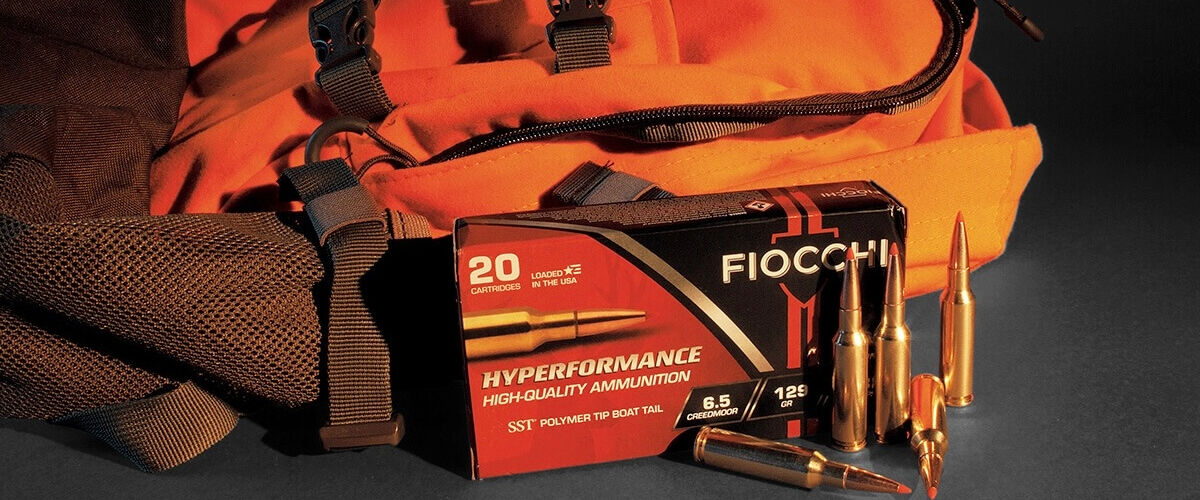
Fiocchi Backwoods Hunter is built around copper hollow-point bullets and gives hunters a lead-free option across several popular big-game cartridges. Copper ammunition can be attractive for several reasons. Some hunters need lead-free ammunition because of hunting regulations. Others simply prefer the penetration and weight-retention characteristics of monolithic bullets.
However, one important consideration remains: copper bullets typically need adequate impact velocity to expand properly. That becomes increasingly relevant as shooting distance grows. A bullet may leave the muzzle at impressive velocity, but it continuously slows throughout its flight. At some point, velocity can fall below the range where a particular bullet is designed to expand reliably. That's one reason hunters shouldn't determine maximum effective range using trajectory alone.

Bullet Weight: Heavier Isn't Automatically Better
Bullet weight is one of the first numbers hunters notice on a box of rifle ammunition. A common assumption is that heavier bullets are automatically more effective on larger game. Sometimes a heavier bullet makes sense. But bullet weight is only part of the equation.
Within the same caliber, lighter bullets generally start faster and can produce flatter trajectories at moderate distances. Heavier bullets often offer greater sectional density and momentum and may retain energy well downrange, depending on their shape and construction. But construction can matter as much as weight.
A lighter controlled-expansion or monolithic bullet may penetrate more deeply than a heavier conventional bullet that expands rapidly and loses substantial mass. This is why comparing hunting ammunition strictly by grain weight can be misleading. Instead, consider bullet weight alongside construction, velocity, and the animal you're pursuing.
For a whitetail hunter, moderate-weight soft-point or polymer-tipped ammunition may provide exactly the balance needed. A hunter preparing for elk may place greater emphasis on controlled expansion, penetration, and retained weight. The caliber didn't necessarily change. The job did.
What Is Sectional Density?
Sectional density sounds complicated, but the basic concept is useful for hunters. It describes the relationship between a bullet's weight and its diameter. Generally speaking, within bullets of similar construction, a higher sectional density can contribute to greater penetration because more mass is concentrated behind a given frontal area.
That's one reason longer, heavier-for-caliber bullets have traditionally been popular for larger game. But you shouldn't consider sectional density in isolation. Modern bullet construction has changed the way hunters should interpret many traditional ballistic rules.
A high-sectional-density bullet that comes apart on impact may not penetrate as deeply as expected. A somewhat lighter monolithic bullet that retains nearly all of its weight may perform very differently.
Ballistic numbers are useful. Bullet behavior is what ultimately matters.
Ballistic Coefficient Matters—But Maybe Not as Much as You Think
Few numbers receive more attention in modern rifle ammunition discussions than ballistic coefficient, or BC. Ballistic coefficient describes how efficiently a bullet moves through the atmosphere. A bullet with a higher BC generally retains velocity better, resists wind drift more effectively, and produces a flatter trajectory at extended distances than a lower-BC bullet launched under similar conditions.
For western hunters who may encounter longer shots and significant wind, BC can be important. For the hunter sitting over a hardwood ridge where the longest possible shot is 120 yards, it matters considerably less. This is another example of why ammunition should match the hunt, not the trend.
High-BC bullets are impressive, but a ballistic coefficient printed on a box doesn't tell you whether the bullet will expand appropriately or penetrate sufficiently on the animal you're hunting. Getting there efficiently is only half the job.

Impact Velocity Matters More Than Muzzle Velocity
Hunters naturally focus on muzzle velocity because it's prominently displayed on ammunition packaging. But animals aren't standing at the muzzle. The more meaningful number is impact velocity—how fast the bullet is traveling when it reaches the animal.
Bullet designers generally engineer hunting projectiles to perform within a certain velocity window. At very high impact velocities, some conventional bullets can expand aggressively. At very low impact velocities, certain bullets may not expand as reliably. This creates an important relationship between bullet construction and hunting distance.
At close range, a bullet may strike an animal while traveling only slightly slower than muzzle velocity. Several hundred yards away, that same bullet may arrive substantially slower. Premium bullet designs such as those found in Fiocchi Hyperformance Hunt are especially relevant when hunters expect wider distance variations because their construction is intended to deliver predictable hunting performance across demanding conditions.
Hunting tip: When you're confirming your rifle before season, don't stop after firing a three-shot group at 100 yards. If you realistically expect to shoot at 250 or 300 yards, practice there. Knowing what your rifle, ammunition, and ability actually look like at that distance is far more valuable than memorizing the trajectory printed on a box.

Accuracy Is Part of Terminal Performance
Hunters sometimes separate accuracy and terminal performance as though they're unrelated. They aren't.
Even the most sophisticated hunting bullet can't compensate for poor shot placement. Rifles can also be surprisingly particular about ammunition. Two loads using the same bullet weight and caliber may produce noticeably different groups from the same rifle. Barrel harmonics, bullet design, velocity, seating depth, and numerous other variables influence accuracy. That makes preseason ammunition testing extremely important.
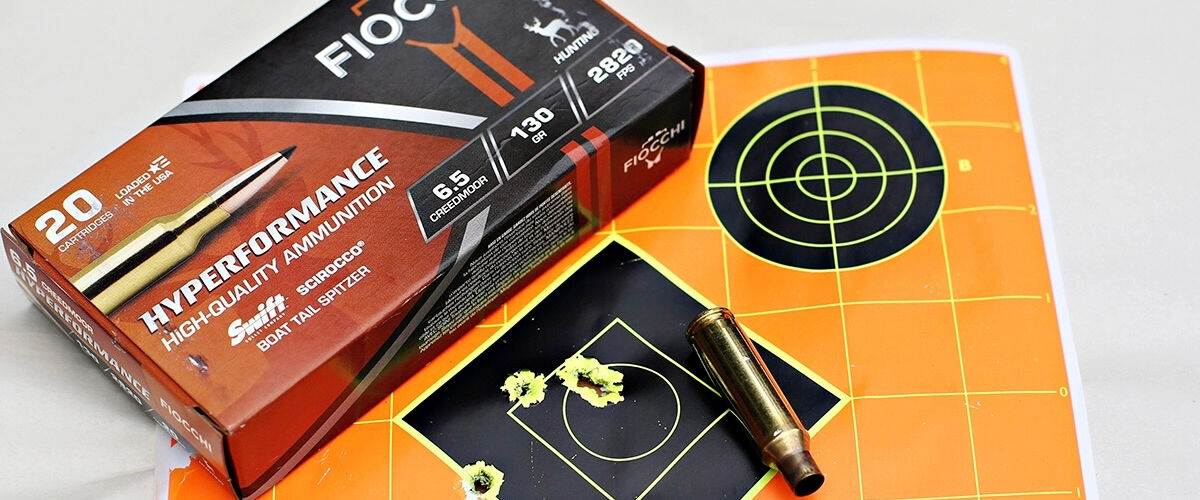
If possible, try more than one appropriate hunting load. Shoot groups from a stable rest. Allow the barrel to cool. Watch both group size and point of impact. Once you find a hunting load your rifle shoots exceptionally well, confirm it from realistic field positions. A benchrest tells you what the rifle can do.
Shooting from sticks, a backpack, kneeling, or from the position you'll actually use while hunting tells you what you and the rifle can do together. That difference matters.
Match the Bullet to the Hunt
A useful way to think about Fiocchi's hunting rifle lineup is not as a hierarchy of good, better, and best, but as different tools for different hunting requirements.
Field Dynamics provides proven, straightforward hunting performance for hunters who want dependable ammunition for traditional hunting situations.
Hyperformance Hunt moves toward premium bullet technologies such as SST, Scirocco II, and Barnes TSS for hunters seeking advanced external and terminal ballistic performance across varying distances and demanding big-game situations.
Backwoods Hunter offers copper hollow-point construction for hunters who need or prefer a lead-free projectile while prioritizing penetration and weight retention.
No single option automatically makes a hunter more successful. The key is understanding which characteristics matter for the hunt you're planning.
A whitetail hunter sitting in a Missouri hardwood bottom may reach a different conclusion than an elk hunter climbing a Montana ridge. A pronghorn hunter staring across several hundred yards of open prairie faces different ballistic challenges than someone hunting black bear in thick timber. That's exactly why there isn't one perfect hunting bullet.

Confidence Begins Before the Hunt
Choosing hunting ammunition shouldn't be about chasing the largest caliber, highest velocity, heaviest bullet, or biggest ballistic coefficient. Start with the animal. Consider the likely shooting distance. Think about the shot angles you are willing to take. Then select a bullet designed to expand, penetrate, and retain sufficient performance under those conditions.
After that, put it on paper. Learn where it hits at 100 yards. Confirm the trajectory at realistic hunting distances. Understand how your rifle behaves from field positions. And know the distance beyond which you are no longer comfortable taking the shot.
Because when an animal finally appears, ammunition selection should already be settled. You may have wind to judge, distance to estimate, a shooting position to build, and only seconds to make a decision. That's enough to think about.
The bullet is something you should have figured out long before you got there.
- Know-How: Making Sense of Ballistic Terms
- What You’ve Been Told About a Bullet’s Sectional Density and Penetration Is Wrong
- Tested: Fiocchi Hyperformance 6.5 Creedmoor
- QUICK HIT: Fiocchi’s Hyperformance Hunting Rifle Cartridge
- #SundayGunday: Fiocchi Hyperformance Hunt
- Fiocchi Hyperformance Centerfire Rifle Ammunition: Tested
- Fiocchi Backwoods Hunter Ammo Review: Two Calibers Range-Tested
Backwoods Hunter
Hyperformance Hunt
Field Dynamics