How to Choose the Right Shotshell for Sporting Clays


- Why Sporting Clays Loads Matter
- Understanding Shot Size for Sporting Clays
- Velocity: Faster Isn’t Always Better
- Payload Weight and Recoil
- Pattern Consistency Matters More Than Raw Power
- Don’t Overlook Your Choke Setup
- Practice Builds Familiarity
- Choosing the Right Sporting Clays Load
- Consistency Creates Confidence
Sporting clays has often been called “golf with a shotgun,” but anyone who has spent time on a course knows the comparison only goes so far. Every station presents a new challenge. Crossing targets, quartering birds, chandelles, rabbits, teal, incomers – no two presentations are exactly alike. Success requires consistency, focus, and the ability to trust both your shotgun and your ammunition.
One of the most common questions among new and experienced shooters alike is: What’s the best shotshell for sporting clays?
The answer depends on several factors, including target distance, recoil sensitivity, shotgun setup, and personal style. Understanding how payload, velocity, and shot size affect performance can help shooters make more confident ammunition choices and improve consistency on the course.
Why Sporting Clays Loads Matter
Unlike hunting, where ammunition selection may focus heavily on terminal performance, sporting clays is all target-breaking consistency. The ideal load delivers reliable patterns, manageable recoil, and smooth performance over the course of a long day shooting hundreds of targets.
A shotshell that patterns consistently and allows the shooter to stay comfortable and focused often produces better scores than simply choosing the fastest or heaviest load available.
That’s why experienced clay shooters tend to prioritize balance over extremes.
Understanding Shot Size for Sporting Clays
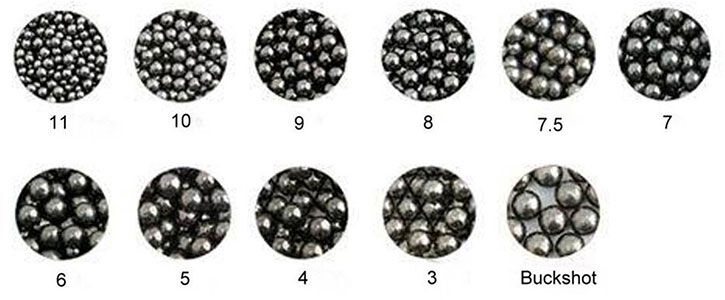
The most common shot sizes used in sporting clays are #7.5, #8, and #9.
#8 shot is often considered the all-around standard because it offers an excellent blend of pellet count and retained energy. It performs well across a wide variety of target presentations and distances, making it one of the most versatile choices on the course.
#7.5 shot contains slightly larger pellets, which helps maintain energy on longer targets. Many shooters prefer it for sporting clays courses featuring longer crossers or more distant presentations.
#9 shot produces extremely dense patterns and is popular for close-range targets or skeet-style presentations where target distance is minimal.
In reality, many experienced shooters move between shot sizes depending on the course setup, target presentations, and personal preference.
Velocity: Faster Isn’t Always Better
There’s often a temptation to assume higher velocity automatically means better performance. While faster loads can reduce lead requirements slightly and produce aggressive target breaks, they also generate more recoil.
Over the course of a long sporting clays event, excessive recoil can lead to fatigue, slower recovery between shots, and inconsistent shooting mechanics.
That’s why many competitive shooters gravitate toward moderate velocity loads that offer smooth recoil impulses while still delivering excellent target-breaking capability.
A load in the 1,200-1,300 feet-per-second range is often considered a sweet spot for sporting clays because it balances performance and shootability extremely well.
| Gauge | Barrel Length | Average Velocity(10 Shots) |
|---|---|---|
| 12 | 22" | 1,304fps |
| 12 | 26" | 1,325fps |
| 12 | 28" | 1,331fps |
| 20 | 24" | 1,092fps |
| 20 | 26" | 1,100fps |
| 20 | 28" | 1,101fps |
Payload Weight and Recoil
Payload weight plays a major role in how a shell feels when fired.
Heavier payloads place more pellets in the air, which can help increase pattern density. However, they also increase recoil. Lighter loads reduce shooter fatigue and often allow for faster follow-up shots and smoother gun movement.
For many sporting clays shooters, 1-ounce and 1 1/8-ounce loads represent the most common balance between performance and comfort.
The “best” choice often comes down to the individual shooter. Some prefer the softer recoil of lighter target loads, while others like the confidence of slightly heavier payloads on longer presentations.
Pattern Consistency Matters More Than Raw Power
One of the biggest misconceptions in sporting clays is that harder-hitting loads somehow break targets better. In reality, sporting clays targets don’t require tremendous energy to break – they require consistent pellet placement.
A smooth, evenly distributed pattern is far more important than excessive velocity or recoil.
That’s why premium target loads often focus heavily on:
- Consistent velocities
- High-quality shot
- Uniform wad performance
- Reliable ignition
- Reduced pellet deformation
When every shell performs the same way from shot to shot, shooters gain confidence and consistency.
Don’t Overlook Your Choke Setup
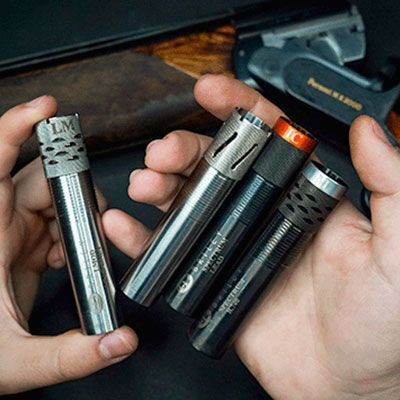
Even the best sporting clays load can struggle if paired with the wrong choke.
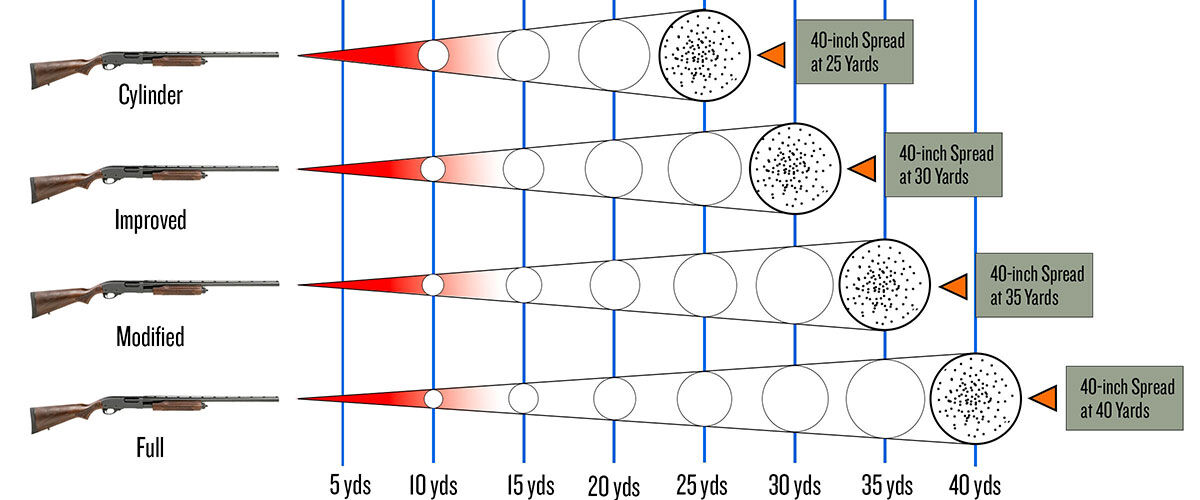
Open chokes generally excel on closer targets by creating wider patterns, while tighter chokes help maintain pattern density at longer distances.
Many sporting clays shooters favor Improved Cylinder or Light Modified chokes because they offer versatility across a wide variety of target presentations.
The key is finding the right balance between your ammunition and choke combination for the types of targets you shoot most often.
Practice Builds Familiarity
One of the most overlooked advantages of shooting the same target load consistently is familiarity.
When shooters use the same ammunition regularly, they develop a better understanding of:
- Recoil impulse
- Shot timing
- Lead perception
- Gun movement
- Pattern behavior
That consistency build confidence, and confidence often translates directly into improved performance on the course.
Changing loads constantly can make it harder to establish rhythm and repeatability.
Choosing the Right Sporting Clays Load
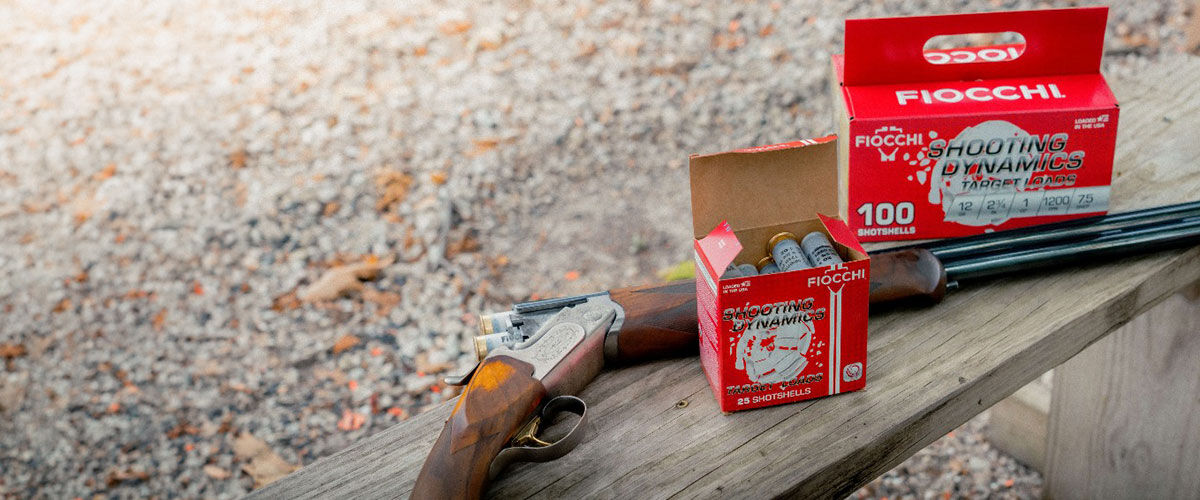
The best sporting clays ammunition is ultimately the load that allows you to shoot comfortably, consistently, and confidently.
For some shooters, that means lighter recoil and smooth handling. Others may prioritize slightly higher velocities or heavier payloads for longer targets. There’s no universal answer because every shooter and every course is different.
What matters most is selecting a load that patterns well in your shotgun, performs consistently, and allows you to stay focused throughout the round.
Consistency Creates Confidence
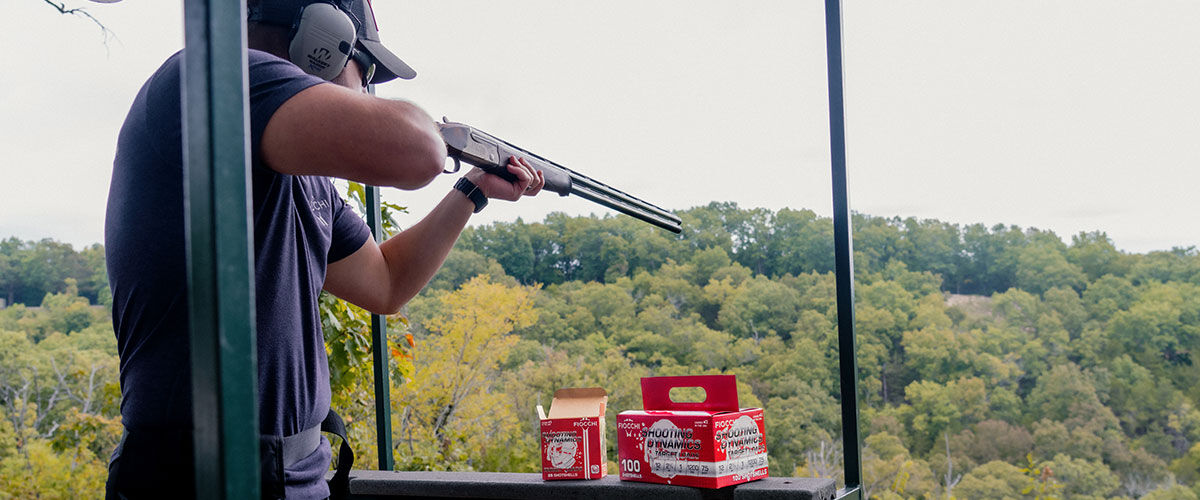
Sporting clays is a game of precision, rhythm, and repetition. While equipment alone won’t break targets, the right ammunition can help shooters stay comfortable, confident and consistent from the first station to the last.
Shot size, velocity, recoil, and pattern quality all influence performance, but balance is often the key to success. The best sporting clays loads are the ones that allow shooters to focus less on their equipment and more on reading targets and executing the shot.
Whether you’re shooting your local weekend course or competing at a major event, choosing the right target load can help turn good rounds into great ones – and make every broken target that much more satisfying.
- Best Shotshells for Sporting Clays
- What Ammo for Sporting Clays? Finding the Perfect Load for Success
- What Ammo to Use for Clay Shooting? A Comprehensive Guide
- Choosing the Perfect Ammunition for Sub-Gauge and Standard Shotguns: A Comprehensive Guide
- 7.5 vs 8 shot: The 3 Key Differences to Know
- What Ammo Do You Use for Sporting Clays? A Comprehensive Guide
- The Perfect Ammunition for Clay Targets
- Shotgun Shot Size and Shells Explained (What to Use When)
- Tungsten vs Bismuth vs Steel - VIDEO
- Sporting Clay Target Types Explained | Shotgun Sports - VIDEO
- Steel vs. Bismuth vs. Lead | Shocking Waterfowl Ammo Ballistics Data - VIDEO
- 5 Sporting Clays Techniques Every Beginner Needs to Know - VIDEO
- Clay Targets Explained (How To Read Every Type for Beginners) - VIDEO
White Rino
Little Rino
Shooting Dynamics