How to Pattern Your Shotgun for Better Hunting Success


Every shotgun shoots differently.
Two hunters can stand side-by-side with nearly identical shotguns, shooting the exact same ammunition and choke tubes, yet see dramatically different results on paper. That’s why one of the most important – and most overlooked – parts of becoming a more effective shotgun hunter is learning how to properly pattern your shotgun.
Whether you hunt turkeys, waterfowl, pheasants, or doves, patterning helps you understand exactly how your shotgun performs before the moment of truth arrives in the field. It removes guesswork, builds confidence, and helps ensure cleaner, more ethical shots on game.
Simply put, if you’ve never patterned your shotgun, you probably don’t fully know what your setup is capable of.
What does ‘Patterning” a Shotgun Mean?
Patterning is the process of shooting your shotgun at paper targets to evaluate how pellets distribute at specific distances.
The goal is to see:
- How evenly pellets spread
- How dense the pattern remains
- Where the shotgun is impacting, and
- How your choke and ammunition combination performs together.
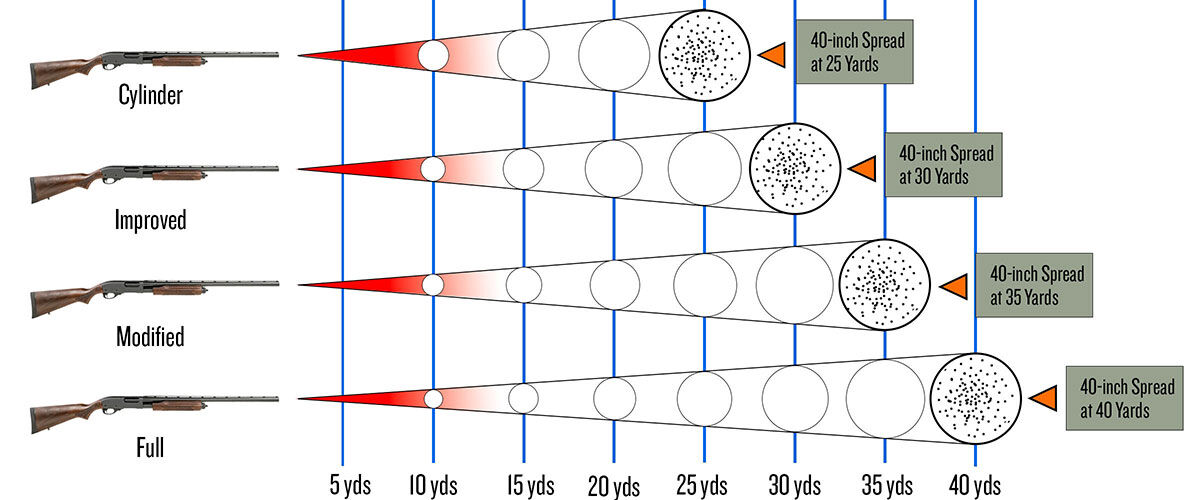
Unlike rifles, shotguns fire multiple projectiles at once. Because of that, consistency isn’t just about accuracy – it’s about pattern quality.
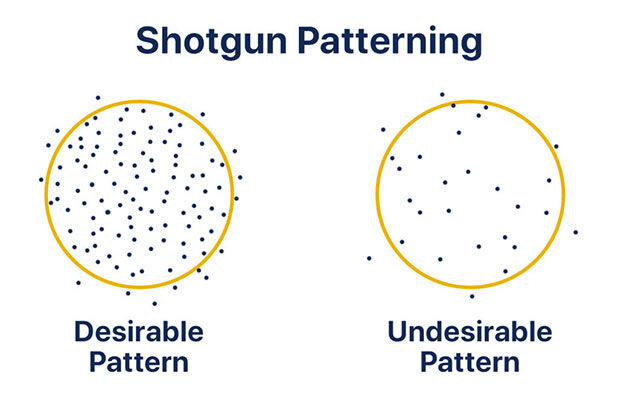
A good pattern delivers reliable pellet distribution in the area you intend to hit. Poor patterns may leave gaps, spread too quickly, or impact off-center.
Patterning allows hunters to identify those issues before they matter in the field.
Why Patterning Matters
Many hunters assume that if a shotgun shoots “close enough,” it’s ready for hunting season. In reality, small differences in ammunition, choke selection, and pellet material can dramatically change performance.
A load that performs beautifully in one shotgun may produce inconsistent or uneven patterns in another.
Patterning becomes even more important with modern ammunition technology. High-performance turkey loads, steel waterfowl ammunition, bismuth blends, and tungsten-based payloads all behave differently depending on the firearm and the choke combination.
Without testing your setup, you’re relying on assumption rather than confirmation.
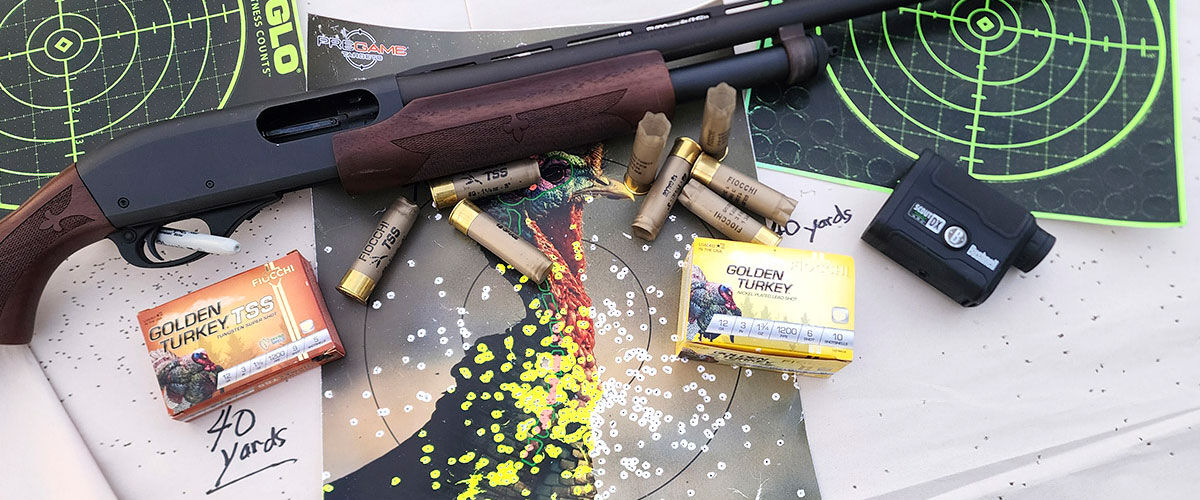
Patterning for Turkey Hunting
Turkey hunting is where patterning becomes absolutely critical.
Unlike wing shooting, turkey hunters aim at a very small vital zone in the head and neck area. Dense, consistent patterns are essential for delivering clean and ethical kills.
Modern turkey ammunition – especially tungsten-based TSS loads – is capable of extremely tight and effective patterns at impressive distances. However, performance can vary significantly depending on:
- Choke constriction
- Barrel characteristics
- Pellet material
- Shot size
- Shell velocity
A setup that patterns perfectly at 40 years may perform very differently at 20 yards or 50 yards.
Patterning helps turkey hunters determine:
- Effective maximum range
- Point of impact
- Pattern density
- Choke compatibility
It also gives hunters confidence when a gobbler finally steps into range.
Patterning for Waterfowl Hunting
Waterfowl hunters benefit enormously from pattern testing as well.
Steel shot behaves differently from traditional lead because it’s lighter and harder. Pattern density, pellet energy, and effective range can all change depending on the load and choke combination.
Many hunters are surprised to learn that overly tight chokes can sometimes create inconsistent steel-shot patterns. In some cases, more open chokes produce better overall pellet distribution and more reliable performance on birds.
Patterning waterfowl loads allow hunters to evaluate:
- Pellet density at hunting distances
- Effective range
- Choke performance
- Consistency on larger birds like geese
This becomes especially valuable during late season hunts where longer shots and tougher conditions demand maximum efficiency
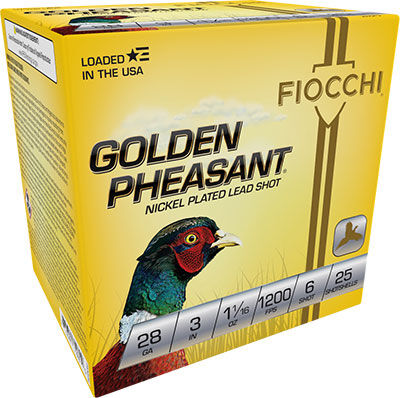
Don’t Overlook Upland and Dove Loads
While turkey and waterfowl hunters tend to focus heavily on patterning, upland and dove hunters can benefit from it just as much.
Fast flushing birds often require wide, forgiving patterns that still maintain enough pellet density for reliable kills. A pattern that’s too tight can make close shots difficult, while patterns that spread too quickly may lose effectiveness at longer ranges.
Patterning helps identify the sweet spot for your specific hunting style and terrain.
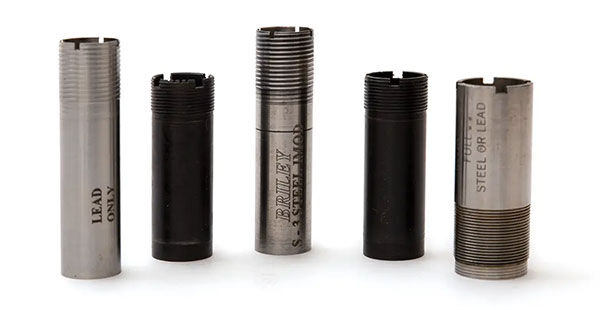
Chokes and Ammunition Work together
One of the biggest misconceptions among shotgun hunters is that choke selection alone determines pattern performance.
In reality, ammunition itself plays an enormous role.
Different loads use:
- Different wad systems
- Different pellet hardness
- Different velocities
- Different buffering materials
- Different pellet materials
All those variables influence how the pattern behaves once it leaves the barrel.
That’s why changing ammunition brands or shot material can completely alter performance – even when using the same choke tube.
The only way to truly know what your shotgun prefers is to test multiple combinations on paper.
How to Pattern Your Shotgun
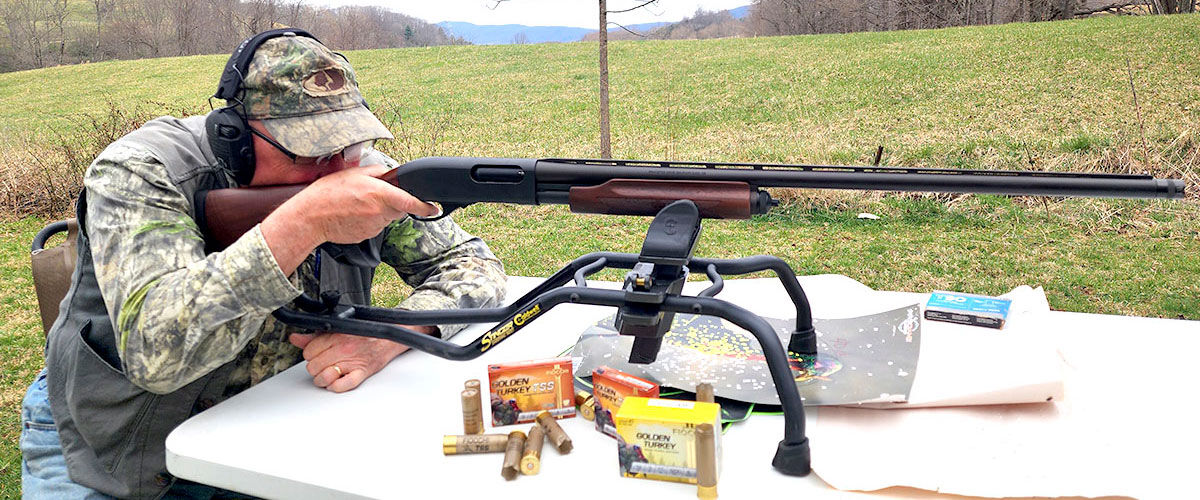
Patterning doesn’t require expensive equipment or complicated procedures.
A simple setup includes:
- Large paper targets
- A safe shooting area
- Your hunting shotgun
- The loads you intend to use
- Several choke options
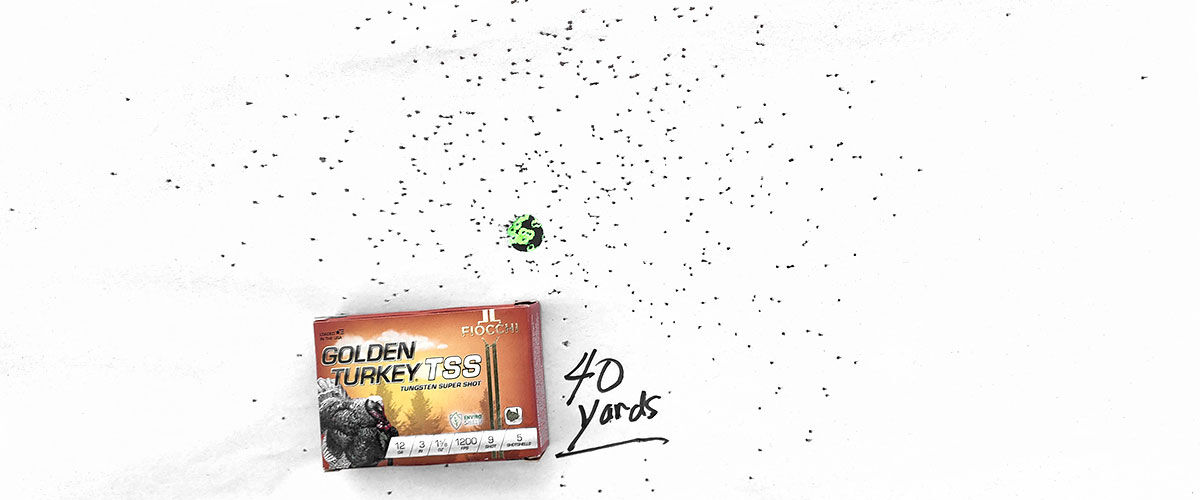
For turkey hunting, many hunters start at 40 yards and evaluate pellet impacts inside a 10-inch circle. Waterfowl and upland hunters often test at distances that reflect realistic field shots.
The goal isn’t simply to shoot one target and call it good. Consistency matter. Shooting multiple patterns helps reveal how reliably a setup performs.
It is also important to pay attention to point of impact. Some shotguns naturally shoot high, low, left, or right depending on fit and sight alignment.
Patterning confirms exactly where your shotgun is placing the center of the pattern.
Confidence Starts Before the Hunt
One of the greatest benefits of patterning has nothing to do with paper targets – it’s confidence.
Hunters who know exactly how their shotgun performs tend to make better decisions in the field. They understand their effective range. They trust their equipment. And they’re less likely to take questionable shots beyond the capabilities of their setup.
That confidence matters when the moment comes quickly and instinct takes over.
Know What Your Shotgun Can Do
Modern shotshell ammunition is more advanced than ever before, but no load can reach its full potential without proper testing.
Patterning allows hunters to fine-tune their setup, understand their shotgun’s true capabilities, and make more ethical shots in the field. Whether you’re chasing spring gobblers, working ducks over decoys, or following flushing pheasants through grasslands, knowing how your shotgun patterns can dramatically improve performance and confidence.
Every shotgun tells a different story, which one is yours telling?
Golden Waterfowl
Flyway Speed sTEAL
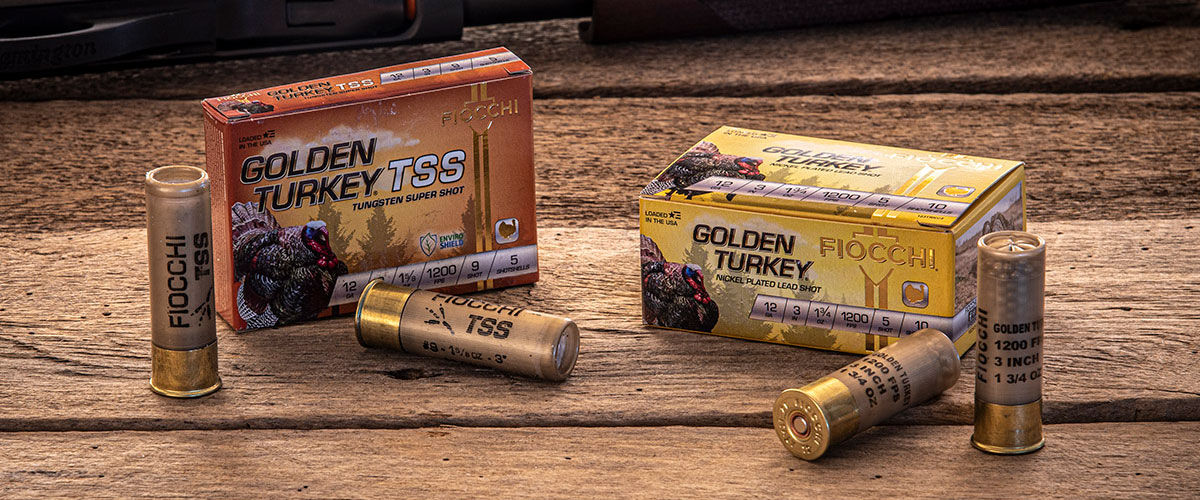
Golden Turkey
Golden Pheasant