Steel vs. Lead vs. Bismuth vs. Tungsten: Choosing the Right Shot Material for the Hunt


When most hunter think about shotgun ammunition, shot size usually gets all the attention. But the material the pellets are made from can be just as important. Whether you’re chasing pheasants through CRP grass, setting decoys before sunrise, or waiting for a gobbler to step into range, the type of shot inside your shell plays a major role in performance downrange.
Today’s hunters primarily choose between four materials: lead, steel, bismuth, and tungsten. Each offers distinct advantages depending on the game being hunted, the shotgun being used, and the conditions in the field. Understanding how these materials differ can help you make better ammunition choices and ultimately become a more effective shooter.
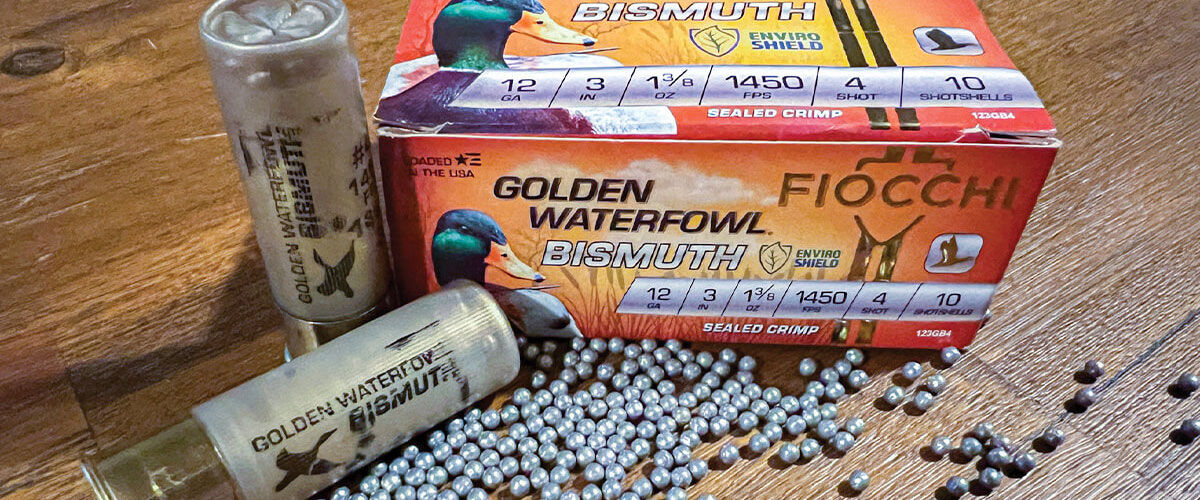
Why Shot Material Matters
Every shotshell is a balance of velocity, pellet count, energy, and pattern performance. The density and hardness of the pellets influence how they behave once they leave the barrel. Denser material generally retains energy better and penetrates deeper, while lighter materials often rely on higher velocities or larger pellet sizes to achieve similar performance.
That’s why two shells loaded with the same shot size can behave very differently depending on whether the pellets are made from lead, steel bismuth, or tungsten.
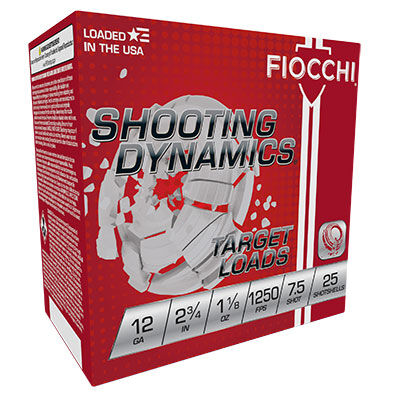
Lead Shot: The Traditional Standard
For generations, lead was the benchmark for shotgun performance. Its density and softness made it incredibly versatile across everything from dove fields and upland hunts to turkey woods and sporting clays courses.
One of the biggest advantages of lead is how efficiently it carries energy downrange. Because it’s denser than steel, smaller pellets can still deliver excellent terminal performance. That allows hunters to use smaller shot sizes while maintaining effective penetration and pattern density. Loads like #7.5 for dove and #5 for pheasants became standards for a reason – they consistently perform in the field.
Lead also patterns naturally and predictably, helping create forgiving spreads on fast-moving birds. It remains one of the most effective options available for upland and turkey hunting where legal.
For turkey hunters specifically, traditional lead turkey loads continue to offer excellent knockdown power at practical hunting distances. Heavy lead payloads remain trusted choices for hunter who values hard-hitting performance and dependable patterns in the woods.
Its primary limitation today is regulation. Lead shot is prohibited for waterfowl hunting in the United States, which led to the growth of alternatives like steel, bismuth, and tungsten.

Steel Shot: The Modern Waterfowl Workhorse
Steel shot became the dominant lead-alternative option because it offered hunters an affordable and effective replacement for lead in waterfowl applications. Over the years, steel loads have evolved dramatically. Modern powders, wad technology, and payload engineering have helped improve both pattern performance and terminal effectiveness.
Because steel is lighter than lead, it sheds energy more quickly downrange. To compensate, hunters typically increase pellet size and velocity. That’s why many duck hunters favor #2 or #3 steel loads, while goose hunters often move up to BB shot for additional energy and penetration.
One of the defining characteristics of steel is speed. Many modern steel loads are extremely fast, making them highly effective for pass shooting and late-season birds when paired with the proper choke and shot size.
Steel’s hardness also changes how it behaves compared to lead. While modern shotguns are designed to handle steel ammunition without issue, older shotguns may not be suitable for hard steel pellets. Hunter carrying vintage firearms often look toward softer non-lead alternatives for that reason.
For waterfowl hunters especially, steel remains the dependable workhorse of the category. It’s effective, accessible, and capable of excellent performance when properly matched to the hunt.
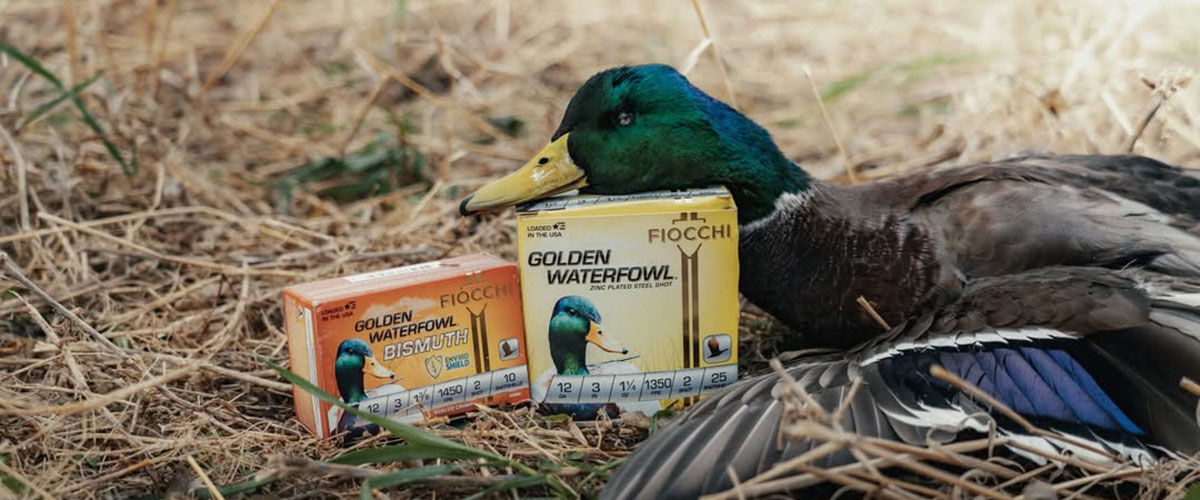
Bismuth Shot: Premium Performance
Bismuth has quickly become one of the most respected premium non-lead alternative options on the market because it delivers performance much closer to traditional lead.
Compared to steel, bismuth is denser and retains energy more effectively downrange. That allows hunters to often use smaller shot sizes while still maintaining strong penetration and lethality. In practical terms, bismuth behaves much more like the lead loads of the old times.
Another major advantage is its softer composition. Unlike steel, bismuth is generally safe for many older shotguns that were never designed for hard steel shot. That make it especially appealing to hunters carrying classic upland or waterfowl guns while still needing to comply with U.S. hunting regulations.
In the field, bismuth shines on ducks, geese, pheasants, and mixed-bag hunts where hunters want premium performance without sacrificing pattern quality or downrange energy. Many hunters also appreciate that bismuth tends to produce more forgiving patterns while maintaining excellent effectiveness on larger birds.
The biggest drawback is cost and availability. Bismuth ammunition is more expensive than steel and with recent changes to the supply chain, it will become more difficult to find in finished shotshell hunting loads. But for many hunters, the improved performance and versatility are well worth the investment (money and time locating available product) – especially when difficult shots or challenging weather conditions are involved.
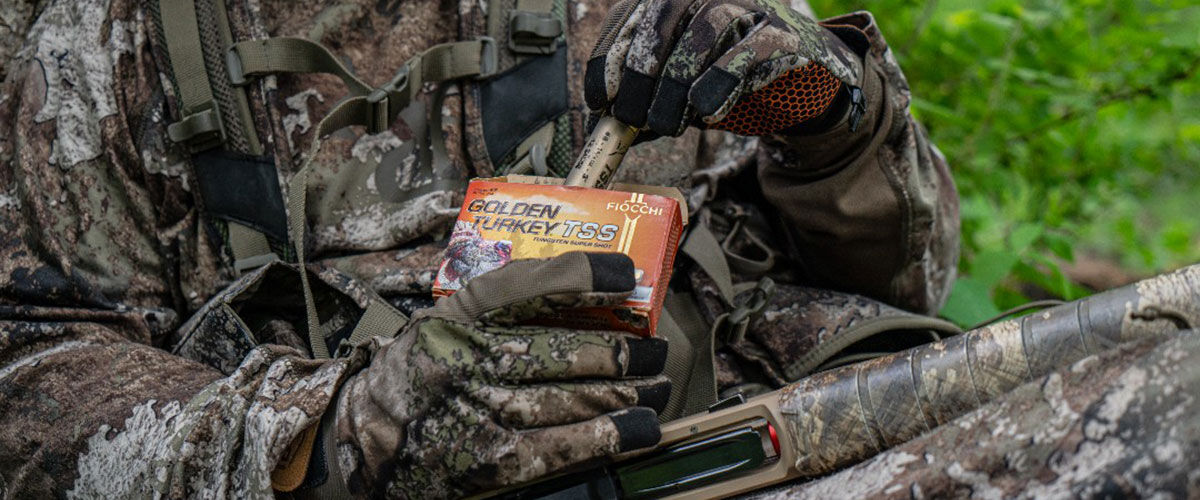
Tungsten Shot: Maximum Performance for Turkey and Waterfowl
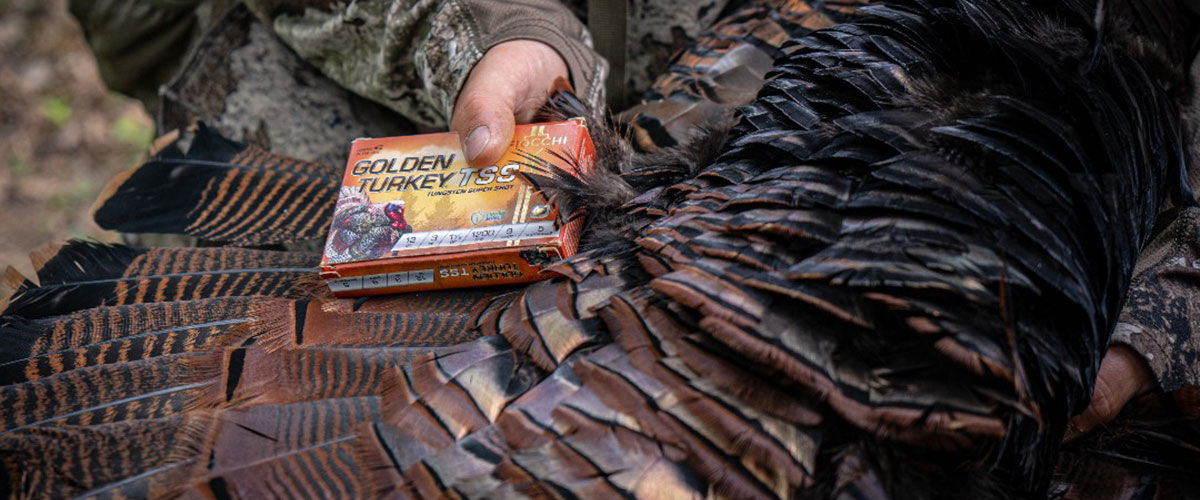
Tungsten-based shotshells represent some of the highest-performing shotgun ammunition available today. Because tungsten is significantly denser than lead, it delivers expectational energy retention and penetration, even at extended ranges.
One of the biggest advantages of tungsten shot is that hunters can use much smaller pellet sizes while still achieving tremendous terminal performance. Smaller pellets mean higher pellet counts inside the shell, which often results in incredibly dense and effective patterns.
This has made tungsten particularly popular in turkey hunting applications.
Turkey hunters using Tungsten Super Shot (TSS) frequently choose shot sizes like #7 and #9, which would traditionally seem far too small for turkeys when compared to larger lead shot sizes. However, the extreme density of tungsten allows those smaller pellets to maintain remarkable energy and penetration at distance while dramatically increasing pattern density.
The result is tighter patterns, more pellet impacts in the vital zone, and impressive downrange performance.
Tungsten loads have also gained popularity among serious waterfowl hunters looking for maximum lethality and extended-range capability, particularly in difficult late season conditions.
The tradeoff, of course, is cost. Tungsten-based ammunition is typically the most expensive category of shotshell ammunition on the market. But for hunters demanding top-tier performance – especially turkey hunters – the performance advantages can be substantial.
Choosing the Correct Shot Material
The best shotshell material ultimately depends on your priorities and the type of hunting you do most often.
For traditional upland hunting and target shooting, lead still offers tremendous performance and value where legal. For waterfowlers looking for reliable and economical loads, steel continues to dominate the market. Hunters seeking premium performance often gravitate toward bismuth for its lead-like characteristics and versatility.
And when maximum pattern density and terminal performance are the priority, tungsten loads are some of the most advanced shotshell options available today.
There’s no universal answer because every hunt is different. Conditions, distance, game species, shotgun setup, and personal preference all play a role in determining what works best.
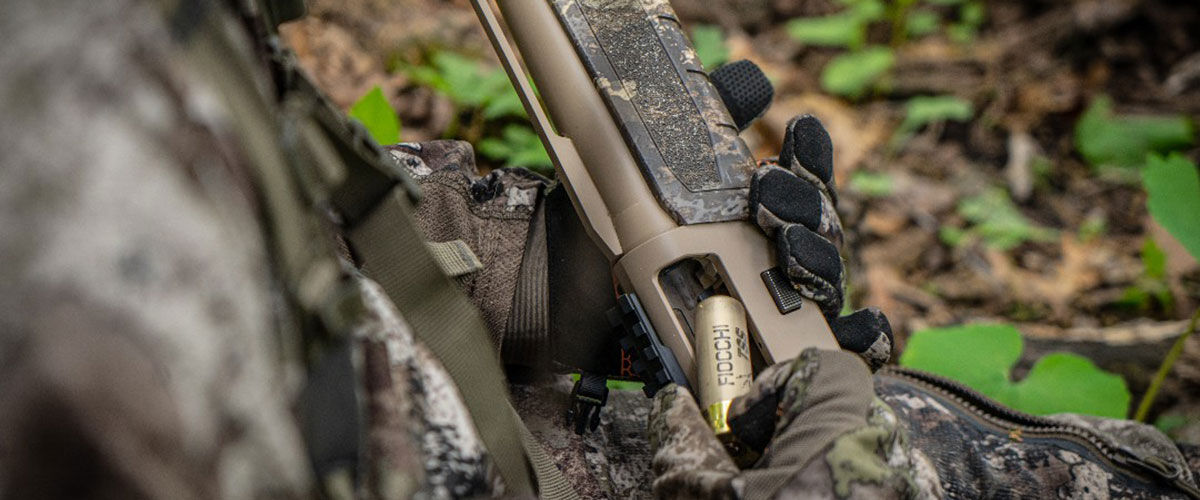
Matching the Load to the Hunt
Modern shotshell technology gives hunters more options than ever before but understanding the strengths of each material is what truly helps maximize performance in the field.
Lead remains the traditional standard many hunters still measure against. Steel has evolved into an extremely capable waterfowl solution. Bismuth bridges the gap by offering premium performance with characteristics similar to lead. Tungsten pushes the envelope even further, delivering exceptional density and terminal effectiveness for hunter demanding the absolute most from their ammunition.
Choosing the right shotshell material isn’t about following trend – it’s about selecting the best tool for the hunt ahead. Whether you’re walking shelterbelts for pheasants, chasing greenheads through flooded timber, or waiting on a longbeard to break into range at first light, matching your ammunition to the application can make all the difference when the moment of truth arrives.
- Steel vs. Bismuth vs. Tungsten
- Understanding Shot Material: Lead, Steel, Bismuth, Tungsten
- Shotgunning: Next Generation Shotshells
- Lead, Steel and More: All About Shot Material
- What Is Non-Toxic Shot? Steel, Bismuth, and Tungsten
- Lead vs. The Rest
- Steel Shot vs. Bismuth vs. Tungsten: What Gives You the Best Bang for Your Buck?
- Steel Shot vs. Bismuth vs. Tungsten: What Gives You the Best Bang for Your Buck?
- Lead vs Steel: What’s the Difference for Hunting Shotguns?
- Tungsten vs. Bismuth for Shot - What is The Difference?
- Tungsten vs Bismuth vs Steel - VIDEO
- Steel vs. Bismuth vs. Lead | Shocking Waterfowl Ammo Ballistics Data - VIDEO
- Steel vs. Bismuth vs. Lead Ammo TESTED | Duck + Pheasant Hunting Loads
- Skip navigation Search Create Avatar image Is Steel Shot Really That Bad??? Steel Vs Lead Vs 50$ A Box Tungsten Ammo!!!
- Steel Vs. Bismuth Vs. Tungsten
Flyway Series
Golden Pheasant Bismuth
Golden Turkey TSS
Golden Waterfowl Bismuth