Turkey Loads Explained: Lead vs. TSS and How to Choose the Right Turkey Ammunition


Turkey hunting has changed dramatically over the last two decades. Advances in shotshell technology, choke design, and pellet materials have pushed modern turkey ammunition to performance levels that hunters hardly could have imagined years ago. Today’s hunters have more choices than ever before – and with those choices often comes confusion.
One of the biggest questions facing turkey hunters is whether to shoot traditional lead turkey loads or move to modern Tungsten Super Shot, better known as TSS. Both are highly effective when paired with the right shotgun setup. Understanding the difference between them can help hunters choose the right load for their hunting style, expected shot distances, and overall goals in the turkey woods.
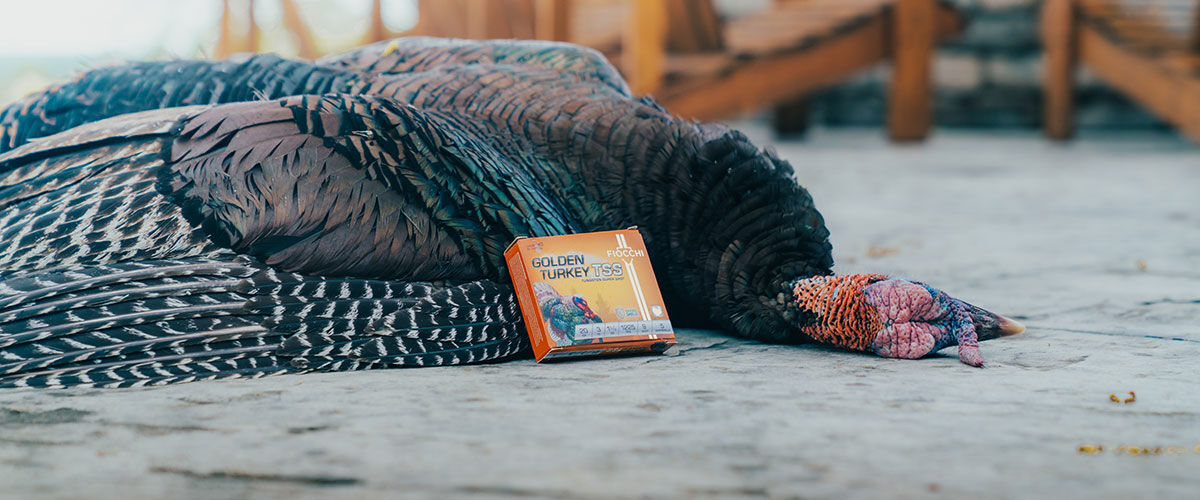
Why Turkey Loads Are Different
Unlike wingshooting, turkey hunting demands precision. When hunting turkeys, shooters are aiming for a relatively small vital area in the head and neck. The goal isn’t simply to hit the bird; it’s to place enough pellets into a tight target zone to ensure a quick, ethical harvest.
That’s why turkey ammunition is designed very differently from upland or waterfowl loads. Turkey shells prioritize:
- Dense patterns
- Retained energy
- Tight pellet concentration
- Consistent downrange performance
Everything from pellet material to wad design is engineered around maximizing pattern effectiveness.
Traditional Lead Turkey Loads
For generations, lead turkey loads built the foundation of modern turkey hunting. Heavy payloads remain extremely effective and continue to account for countless successful hunts every spring. They offer dependable performance, strong downrange energy, and excellent pattern density at practical hunting distances.
Most traditional lead turkey loads use larger pellet sizes, such as #4, #5, and #6 shot. These larger pellets carry substantial energy and penetration, making them highly effective on gobblers inside normal hunting ranges.
Lead also remains attractive because of its affordability compared to premium tungsten-based options. Many hunters appreciate the ability to practice more extensively with the same ammunition they intend to use while hunting. For hunters who typically keep shots inside 40 yards, modern lead turkey loads continue to provide outstanding real-world performance.
The Rise of TSS
TSS has dramatically changed the turkey hunting world in recent years. It is significantly denser than lead, which allows hunters to use much smaller pellets while still maintaining tremendous downrange energy and penetration. This is one of the biggest breakthroughs in modern turkey ammunition.
Because the pellets are smaller, far more of them can fit inside the shell payload. That results in exceptionally dense patterns with dramatically higher pellet counts in the vital zone compared to traditional lead loads. This combination of high pellet count and strong retained energy has made TSS incredibly popular among modern turkey hunters.
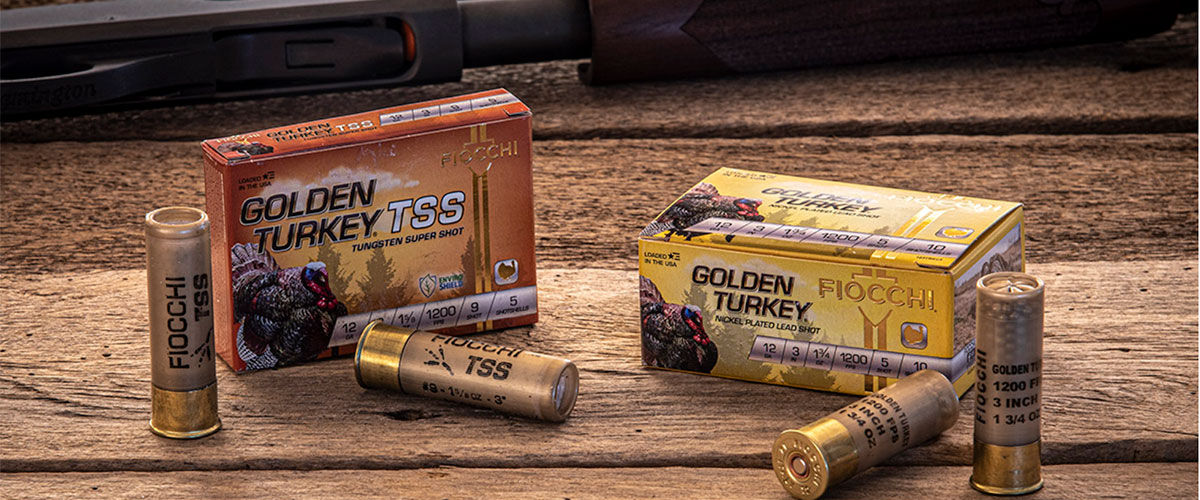
Why Smaller TSS Pellets Work
One of the first things many hunters notice about TSS loads is the surprisingly small shot sizes. While traditional lead turkey loads often use #4, #5, or #6 shot, TSS loads frequently use #7, #8, or #9 shot.
At first glance, those smaller pellets seem counterintuitive for turkey hunting. But because tungsten is so much denser than lead, even these smaller pellets retain impressive energy and penetration at distance. The result is a payload capable of delivering:
- Extremely dense patterns
- High pellet counts
- Excellent lethality
- Impressive effective range
This is the primary appeal of TSS.
Pattern Density Changes Everything
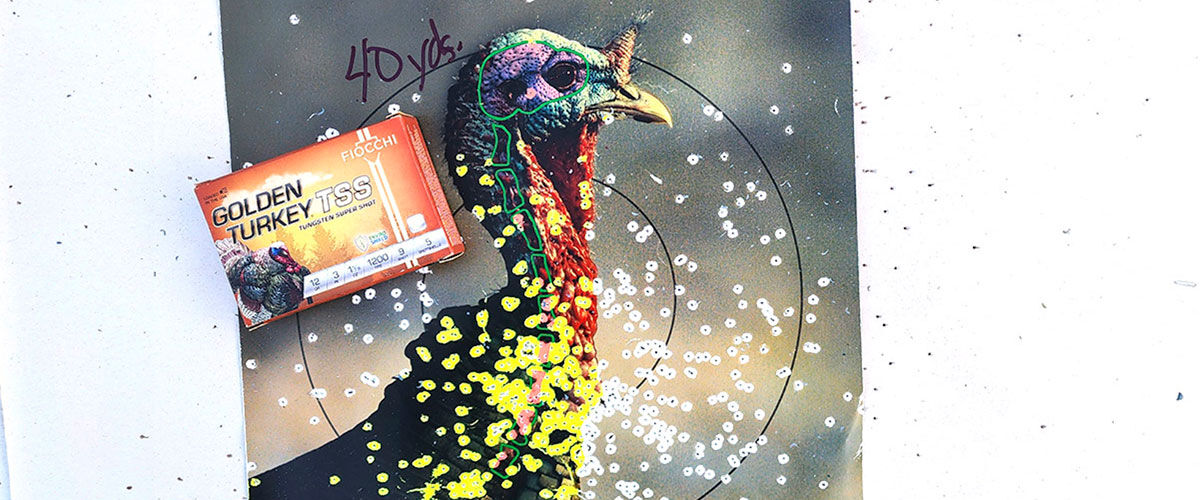
The biggest advantage TSS offers is the pattern density. More pellets in the pattern means a greater probability of multiple pellets striking the turkey’s vital zone. That can create a larger margin for error when aiming and improving effectiveness at extended ranges.
This has fueled much of the excitement around TSS among newer, younger turkey hunters, especially those heavily engaged with modern media and social platforms, where ultra-dense patterns and long-range capability receive enormous attention.
The ability to shoot smaller shot sizes while achieving tremendous performance has become a defining trend in modern turkey-hunting ammunition.
But Range Still Matters
While TSS has expanded the capabilities of modern turkey loads, it is important to remember that effective turkey hunting is still about responsible shooting decisions. Dense patterns and retained energy do not eliminate the need for proper range estimation, pattern testing, stable shooting positions, and ethical judgment.
No turkey load replaces careful shot placement. Even the most advanced ammunition performs best when hunter understand their setup and stay within realistic limits.
Choke Selection Is Critical
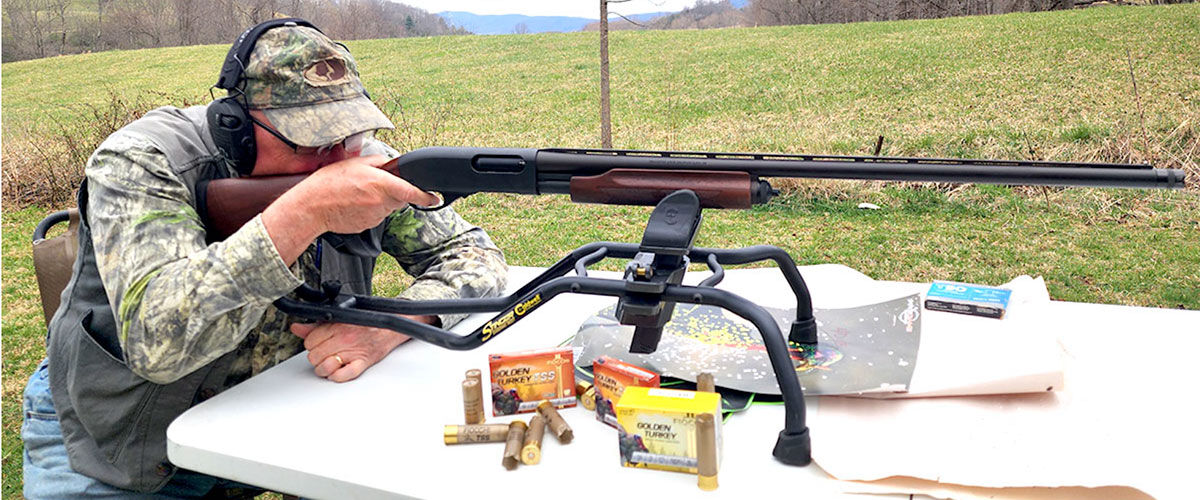
The rise of TSS has changed not only turkey ammunition, but also the way many hunters think about choke selection. For decades, turkey hunters primarily focused on finding the tightest choke possible to maximize pattern density with traditional loads. While that approach can still be effective, modern TSS ammunition has introduced new variables that hunters should understand before heading to the range or field.
TSS pellets are significantly denser and harder than lead. That hardness is one of the reasons TSS delivers such impressive penetration and downrange performance, but it also means the pellets interact differently with choke tubes than traditional lead shot. Industry experts and ammunition manufacturers have long cautioned that hard-shot materials can place additional stress on choke systems if the choke is not designed for them. In extreme cases, hard shot can contribute to excessive wear or even damage when used with incompatible choke tubes.
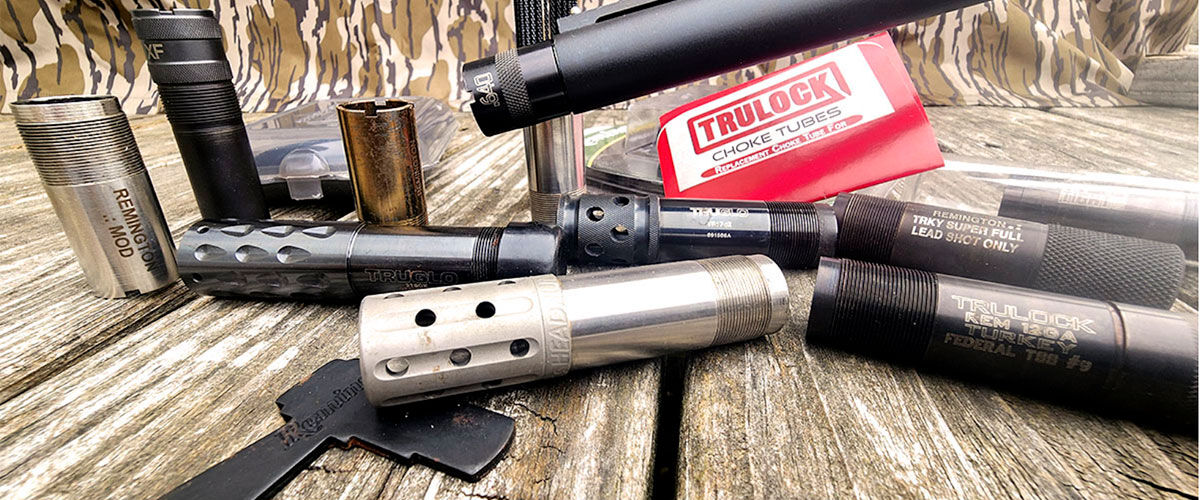
As TSS has grown in popularity, choke manufacturers have responded by developing choke tubes specifically engineered for tungsten-based loads. These chokes are often built with materials, internal geometries, and constrictions designed to withstand the hardness of TSS while also producing the exceptionally dense patterns turkey hunters seek.
One of the interesting developments accompanying the rise of TSS is that many hunters are discovering they do not necessarily need the extremely tight constrictions that were once common with lead turkey loads. Because TSS uses smaller, denser pellets that naturally produce high pellet counts, some hunters achieve outstanding patterns with constrictions that would traditionally be considered more open than a typical turkey choke.
The most important takeaway is simple: always verify that your choke tube is approved for use with TSS and other tungsten-based loads before shooting them. If you’re investing in premium turkey ammunition, it makes sense to pair it with a choke specifically designed to handle those loads. Not only can this help maximize pattern performance, but it also helps ensure your shotgun and choke system are operating within the manufacturer’s intended specifications.
Ultimately, there is no universal ‘best’ turkey choke. The right combination of shotgun, choke, and ammunition can only be discovered through pattern testing. What works exceptionally well in one shotgun may produce vastly different results in another, which is why spending time on the pattern board remains one of the most valuable preseason presentations a turkey hunter can make.
Pattern Your Turkey Load Before Season
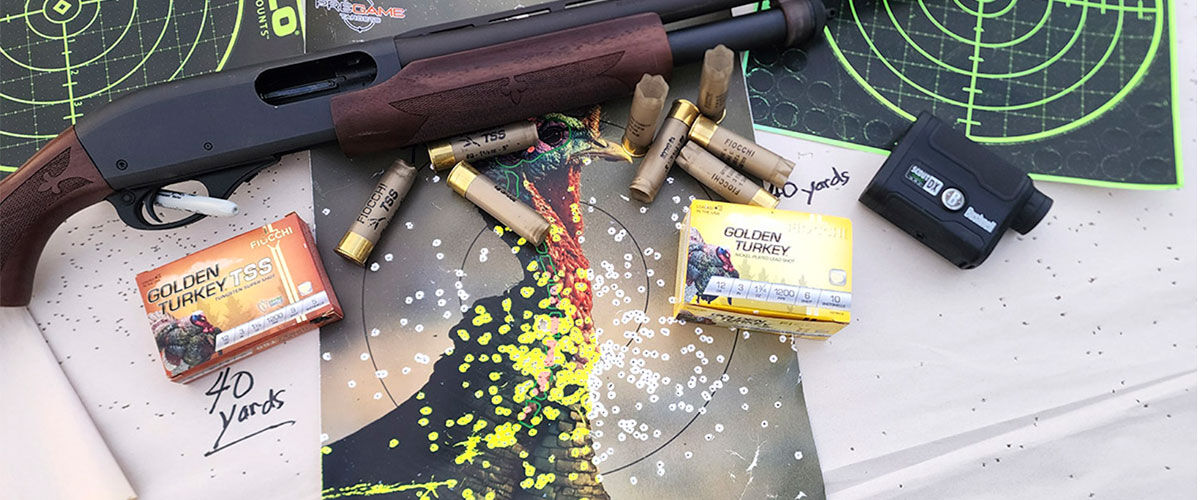
No matter which turkey load you choose, patterning your shotgun, choke, and ammunition combination is critical.
Testing your setup on paper reveals:
- Pattern density
- Point of impact
- Effective range
- Choke compatibility
- Consistency
Many hunters are surprised to discover how dramatically patterns can change simply by switching ammunition brands, shot sizes, or choke tubes. Patterning also builds confidence – and confidence matters when a gobbler finally steps into range after a long morning in the woods.
Choosing Between Lead and TSS
Both lead and TSS turkey loads are highly capable when matched properly to the hunter and situation.
Lead remains an excellent choice for hunters who:
- Keep shots moderate in distance
- Want proven performance
- Value affordability
- Prefer traditional setups
TSS appeals to hunters seeking:
- Maximum pattern densities
- Smaller shot sizes
- Increased downrange performance
- Premium turkey ammunition technology
There’s no universal ‘best’ answer. The right load depends on your hunting style, shotgun setup, expected shooting distances, and personal preference.
Confidence Is the Most Important Part
Turkey hunting has always been a game of patience, precision, and preparation. Modern ammunition technology has certainly expanded what’s possible, but success still comes down to understanding your equipment and making smart decisions in the field.
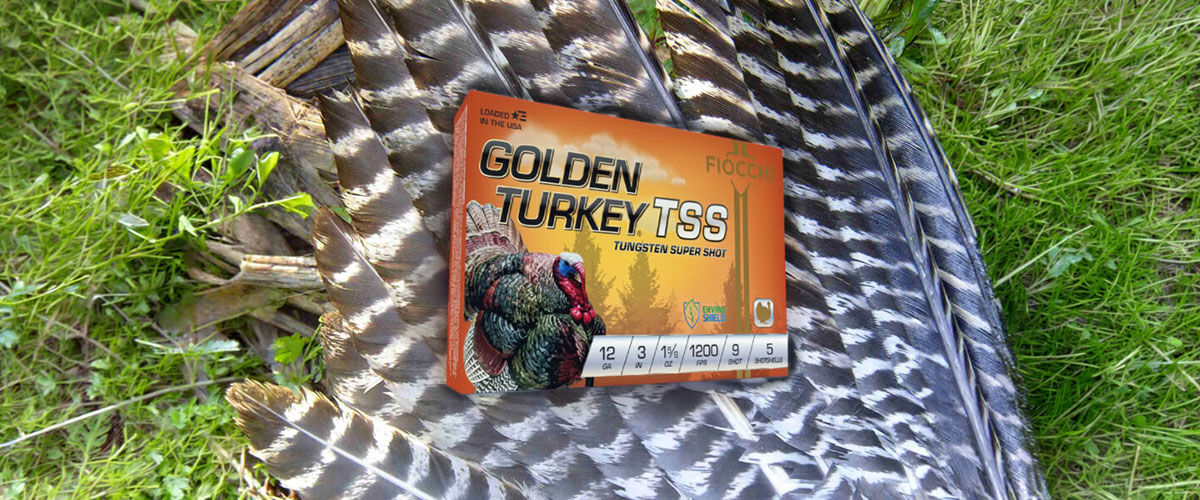
Traditional lead loads continue to perform well for generations of hunters. TSS has introduced a new level of pattern density and downrange capability, reshaping the modern turkey-hunting landscape. Both are effective. Both can produce clean, ethical harvests. And both demand proper pattern testing and thoughtful setup before opening morning arrives.
At the end of the day, the best turkey load is the one that patterns consistently in your shotgun, fits your hunting style, and gives you complete confidence when a longbeard finally breaks into range.
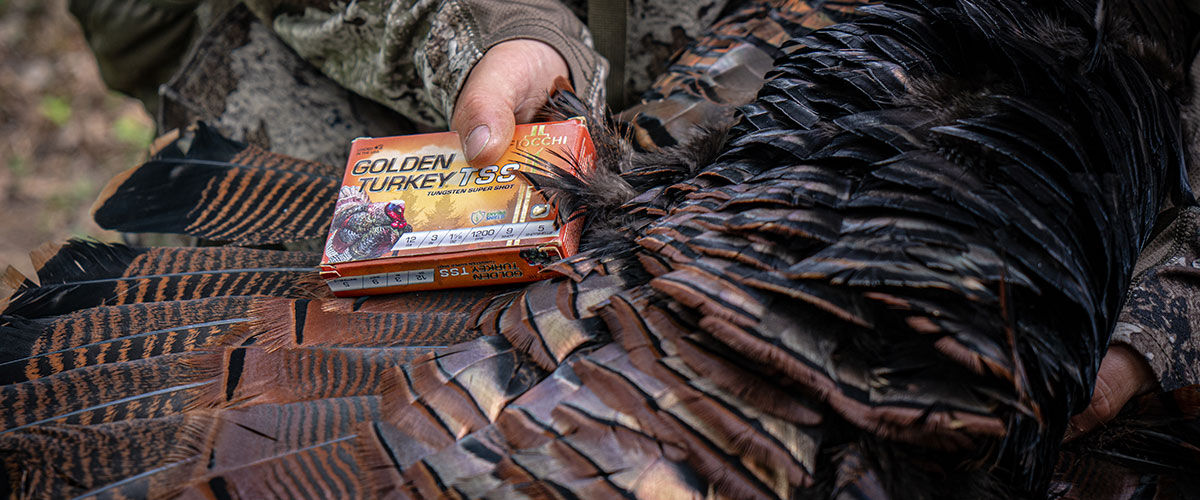
Golden Turkey
Golden Turkey TSS