Understanding Shotgun Shot Sizes: What Every Hunter and Shooter Should Know


When it comes to shotgun ammunition, few topics create more confusion than shot sizes. What’s the difference between #9 shot and #2 shot? Why do some hunters use #7.5 for dove while others prefer #5 for pheasant? And where do buckshot and turkey loads fit into the equation?
Understanding shotgun shot sizes is one of the most important parts of choosing the right ammunition for hunting, clay shooting, or home defense. The right load can improve pattern density, increase effectiveness, and help ensure cleaner, more ethical shots in the field.
Here’s a breakdown of how shotgun shot sizes work – and how to choose the best option for your application.
How Shot Sizes Work
In shotgun ammunition, the number assigned to the shot refers to the diameter of the individual pellets inside the shell.
Here’s the important rule:
The smaller the number, the larger the pellet.
That means:
- #9 shot is very small
- #7.5 shot is slightly larger
- #4 shot is much larger
- #00 Buck is significantly larger still
Smaller pellets allow more projectiles inside the shell, creating denser patterns. Larger pellets carry more energy and penetrate deeper, but there are fewer pellets in each load.
Choosing the right balance depends on the game, distance, and intended purpose.
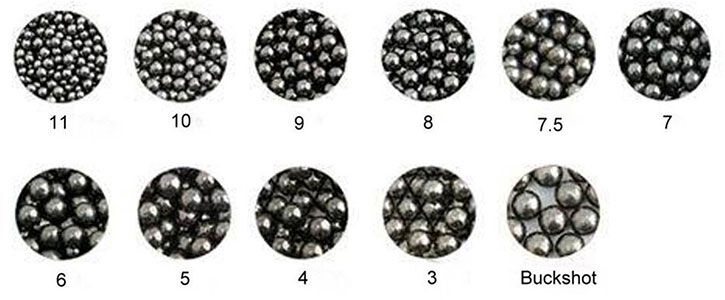
Common Shot Sizes and Their Uses
#9 Shot
Best for:
- Skeet shooting
- Close-range clay targets
Because #9 shot contains a very high pellet count, it creates extremely dense patterns at shorter distances. It’s popular in competitive clay target disciplines where breaking targets is the goal.
#8 and #7.5 Shot
Best for:
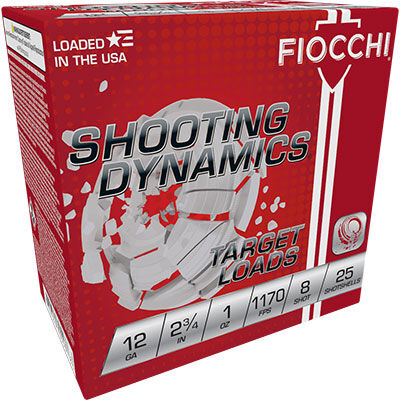
- Sporting clays
- Dove hunting
- Quail hunting
- General target shooting
These are among the most versatile shotshell options available. They offer an excellent balance between pattern density and energy retention.
For dove hunting especially, #7.5 shot has long been considered a proven performer because it maintains effective energy while still producing forgiving patterns.
#6 and #5 Shot
Best for:
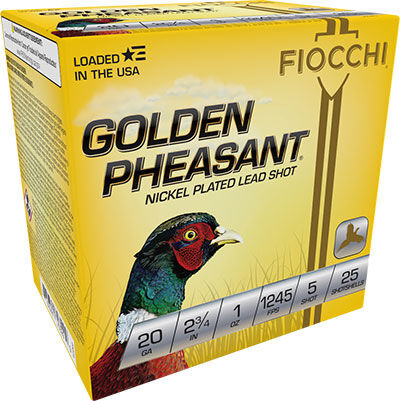
- Pheasant hunting
- Rabbit hunting
- Late-season upland birds
As birds get larger and shots stretch farther, hunters often move to larger pellets for improved penetration and retained energy.
These sizes are trusted favorites for upland hunters pursuing tough birds like pheasants where feather density and longer-range flushes demand more knockdown power.
#4, #3, #2, #1 and BB Shot
Best for:
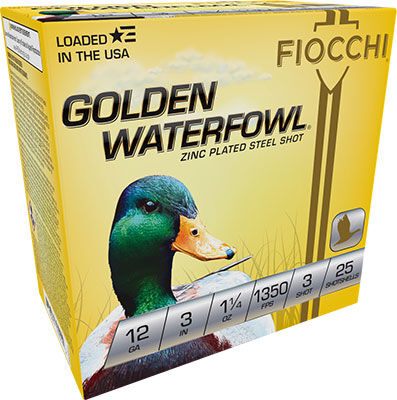
- Waterfowl hunting
- Geese
- Predator hunting
Waterfowl loads typically use larger shot sizes because steel and other alternative materials are lighter than traditional lead. Larger pellets help retain energy downrange and improve penetration on larger birds.
For ducks, many hunters prefer #2 or #3 shot, while geese often call for BB or larger payloads.
Buckshot
Best for:
- Predator hunting
- Deer hunting
- Defensive applications
Buckshot uses very large pellets designed for maximum stopping power at close to moderate distances.
Common buckshot sizes include:
- #4 Buck
- #1 Buck
- 00 Buck
- 9 Pellet
00 Buck remains one of the most widely recognized defensive shotgun loads due to its combination of penetration and terminal effectiveness.
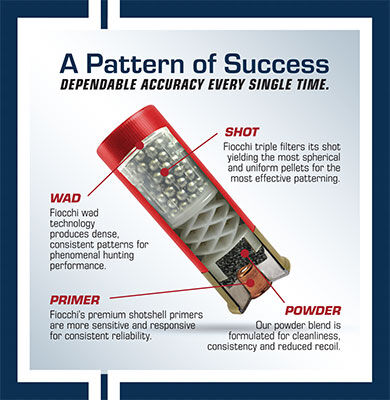
Why Pellet Material Matters
Shot size is only part of the equation. Pellet material also plays a major role in performance.
Lead
Lead remains one of the most effective shotgun materials ever developed because of its density and energy retention. It provides excellent downrange energy, dense patterns, and proven terminal performance.
Steel
Steel shot is required for waterfowl hunting in North America and is widely used as a lead-alternative. The main benefits are that it is affordable, effective with proper shot selection, and ideal for modern waterfowl loads. Because steel is lighter than lead, hunters often move up one or two shot sizes to achieve similar performance.
Bismuth
Bismuth offers a premium lead-alternative that performs more similarly to lead. It offers higher density than steel, its safe for older shotguns, and has excellent terminal performance. Bismuth allows hunters to often use smaller shot size compared to steel while maintaining strong energy retention.
| Load Type | Ducks | Geese |
|---|---|---|
| Steel | BB - #4 | T - #2 |
| Bismuth | #4, #3 | #2 - #4 |
| Tungsten Blend | #2 - #6 | BB - #4 |
Choosing the Right Shot Size
The “best” shot size depends on balancing three factors; game size, distance, and pattern density.
Game Size
Smaller birds, like dove, quail, partridge, and grouse, require less penetration than larger game birds.
Distance
Longer shots generally benefit from larger pellets that retain energy farther downrange.
Pattern Density
More pellets create denser patterns, increasing hit probability – especially on fast-moving targets.
The ideal load is the one that provides enough energy while still maintaining consistent pattern coverage.
| Material | Density | Density Compared to Steel |
|---|---|---|
| Steel | 7.8 g/cc | Steel |
| Bismuth | 9.6 g/cc | 23% Denser than Steel |
| Tungsten Blend | 12.0 g/cc | 53% Denser than Steel |
Don’t Forget About Patterning
Even the best ammunition performs differently depending on:
- Shotgun model
- Barrel length
- Choke selection
- Velocity
- Pellet material
That’s why patterning your shotgun is critical.
Testing different loads on paper at realistic hunting distances helps identify:
- Pattern consistency
- Pellet distribution
- Effective range
- Point of impact
Two loads with identical shot sizes can perform very differently depending on the shotgun.
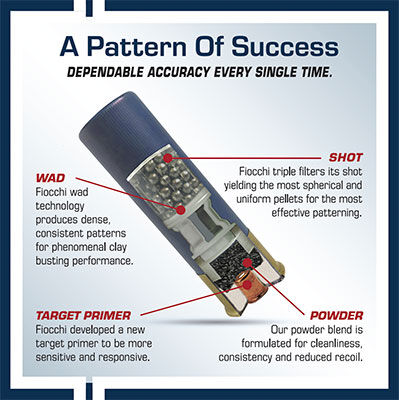
Final Thoughts: Match the Load to the Hunt
There’s no universal “best” shotgun load – only the best load for the job at hand.
Light target loads excel on clays and dove fields. Larger upland loads shine on pheasant and late-season birds. Heavy waterfowl and turkey loads are built for maximum energy and penetration where in matters most.
Understanding shot sizes give shooter and hunter the confidence to choose the right ammunition for the application – and ultimately become more effective in the field and on the range.
Whether you’re chasing doves in September, breaking clays on the weekend, or setting decoys before sunrise, selecting the proper shotshell is one of the most important decisions you can make before pulling the trigger.